
 EN
EN

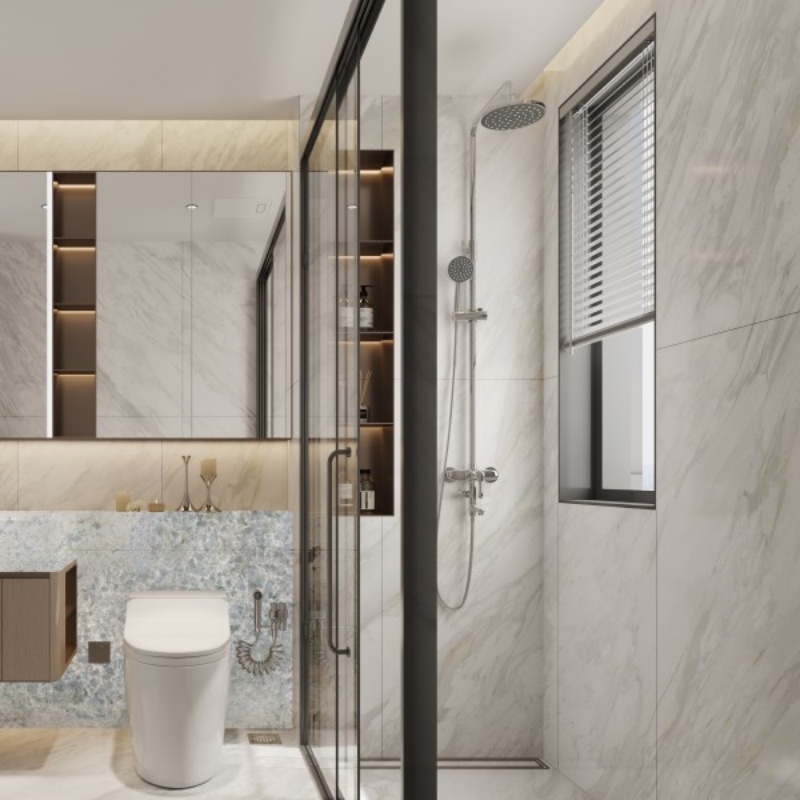
Modern interior design has evolved to embrace versatile, practical materials that combine aesthetic appeal with functional benefits. Among these innovative solutions, PVC wall panels have emerged as a revolutionary choice for homeowners, architects, and interior designers seeking durable, cost-effective wall covering options. These synthetic panels offer exceptional moisture resistance, easy maintenance, and remarkable design flexibility that traditional materials simply cannot match. Whether you're renovating a bathroom, updating a commercial space, or creating a feature wall in your living room, understanding the comprehensive benefits and applications of PVC wall panels will help you make informed decisions for your next project.
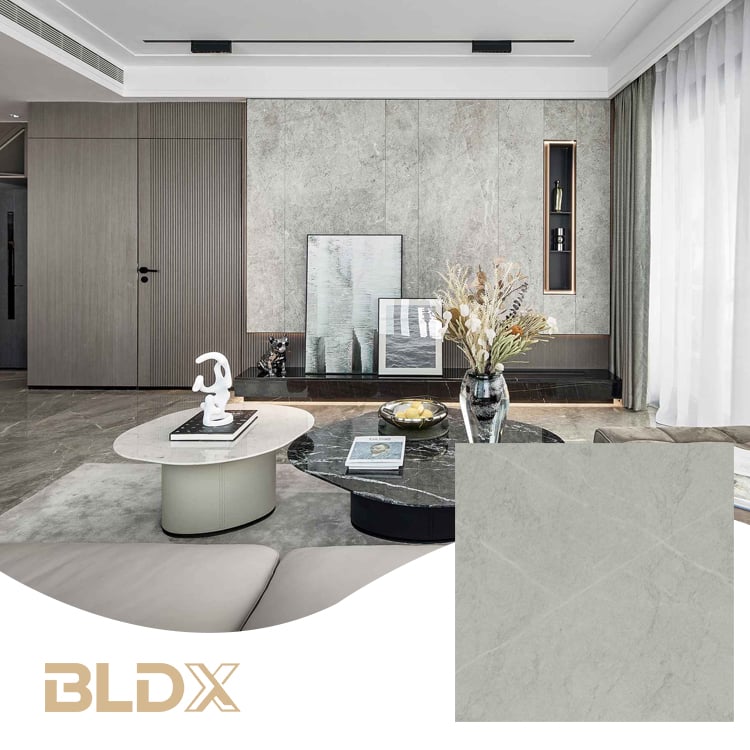
Understanding PVC Wall Panel Technology and Composition
Material Science Behind PVC Panels
Polyvinyl chloride wall panels represent a sophisticated blend of chemistry and engineering designed to create superior building materials. The manufacturing process involves combining PVC resin with stabilizers, plasticizers, and impact modifiers to produce panels that maintain structural integrity while offering flexibility and durability. These components work synergistically to create a material that resists warping, cracking, and fading even under challenging environmental conditions. The cellular structure of quality PVC panels provides excellent thermal insulation properties while maintaining lightweight characteristics that facilitate easy installation and handling.
Advanced manufacturing techniques ensure consistent thickness, smooth surfaces, and precise dimensional accuracy across all panel sizes. The extrusion process creates interlocking profiles that eliminate gaps and provide seamless coverage when properly installed. Quality control measures during production guarantee that each panel meets strict standards for color consistency, surface finish, and mechanical properties, ensuring reliable performance throughout the panel's operational lifespan.
Environmental Considerations and Sustainability
Contemporary PVC wall panel production emphasizes environmental responsibility through recycling programs and sustainable manufacturing practices. Many manufacturers now incorporate recycled PVC content into new panels, reducing waste and minimizing environmental impact. The longevity of PVC panels contributes to sustainability by eliminating frequent replacements and reducing long-term material consumption. Additionally, the energy efficiency benefits of insulated PVC panels contribute to reduced heating and cooling costs, supporting overall environmental conservation efforts.
End-of-life recycling programs allow old panels to be processed into new products, creating a circular economy that maximizes material utilization. The durability and low maintenance requirements of PVC panels mean fewer chemical cleaners and replacement materials are needed over time, further reducing environmental impact. Modern PVC formulations also eliminate harmful additives while maintaining performance characteristics, ensuring safer indoor air quality for building occupants.
Comprehensive Benefits of PVC Wall Panel Installation
Moisture Resistance and Waterproof Properties
The inherent waterproof nature of PVC wall panels makes them ideal for high-moisture environments where traditional materials would fail. Unlike drywall or wood paneling, PVC panels do not absorb water, preventing mold growth, structural damage, and deterioration. This characteristic makes them particularly valuable in bathrooms, kitchens, basements, and commercial facilities where humidity levels fluctuate significantly. The seamless installation system creates watertight barriers that protect underlying wall structures from moisture infiltration.
Steam resistance ensures that panels maintain their appearance and structural integrity even in environments with frequent temperature and humidity changes. The non-porous surface prevents bacteria and mildew accumulation, contributing to healthier indoor environments. This moisture resistance extends the lifespan of both the panels and the underlying wall structure, providing long-term protection that translates into significant cost savings over traditional materials.
Maintenance Efficiency and Cleaning Simplicity
PVC wall panels require minimal maintenance compared to painted surfaces, wallpaper, or tile installations. The smooth, non-porous surface can be cleaned with standard household cleaners without risk of damage or discoloration. Regular cleaning involves simple wiping with mild soap solutions, eliminating the need for specialized cleaning products or professional maintenance services. Stains, grease, and everyday dirt can be easily removed without scrubbing or harsh chemicals.
The durability of the surface finish means that panels maintain their appearance for years without requiring repainting or refinishing. Scratches and minor damage can often be repaired using heat application or replacement of individual panels without disturbing the entire installation. This maintenance efficiency reduces long-term ownership costs while ensuring consistently attractive wall surfaces throughout the panel's service life.
Design Versatility and Aesthetic Applications
Color Options and Surface Textures
Modern PVC Wall Panel collections offer extensive design possibilities through advanced printing and texturing technologies. Wood grain patterns replicate the appearance of natural hardwoods with remarkable accuracy, while stone and marble textures provide luxury aesthetics at affordable prices. Solid colors range from subtle neutrals to bold accent shades, enabling designers to create cohesive color schemes or dramatic focal points. Metallic finishes and contemporary patterns expand design options for modern architectural applications.
Three-dimensional textures add visual depth and tactile interest to wall surfaces, creating sophisticated design elements that enhance overall space ambiance. Embossed patterns and relief textures catch light differently throughout the day, providing dynamic visual effects that change with lighting conditions. Custom printing capabilities allow for unique designs, corporate branding, or artistic expressions that cannot be achieved with traditional materials.
Integration with Interior Design Themes
PVC wall panels complement various interior design styles from traditional to ultra-modern. Rustic wood-look panels enhance farmhouse and country themes, while sleek geometric patterns suit contemporary and minimalist spaces. Industrial-style panels with concrete or metal textures support urban loft aesthetics, and classic patterns work well in traditional or transitional settings. The versatility allows designers to specify panels that enhance existing design elements rather than competing with them.
Accent wall applications create focal points that draw attention without overwhelming spaces. Coordinating panel selections with flooring, furniture, and fixtures ensures cohesive design schemes that appear professionally planned. The ability to mix and match different panel styles within the same installation allows for creative design solutions that reflect personal taste while maintaining visual harmony.
Professional Installation Techniques and Best Practices
Surface Preparation and Planning
Successful PVC wall panel installation begins with thorough surface preparation and accurate measurements. Existing walls must be clean, dry, and structurally sound before panel installation begins. Any loose paint, wallpaper, or damaged drywall should be repaired or removed to ensure proper adhesion and appearance. Level surfaces are crucial for achieving professional results, so walls may require shimming or additional preparation work to correct irregularities.
Planning the layout involves determining starting points, accounting for electrical outlets and fixtures, and calculating panel quantities with appropriate waste factors. Detailed measurements help minimize cuts and ensure efficient material utilization. Climate acclimation allows panels to adjust to room temperature and humidity before installation, preventing expansion or contraction issues after completion.
Installation Methods and Tools
Multiple installation methods accommodate different wall conditions and project requirements. Adhesive installation provides clean, seamless results for smooth, stable walls, while mechanical fastening offers superior holding power for irregular surfaces or high-traffic areas. Clip systems allow for easy panel removal and replacement when necessary, making them ideal for commercial applications or areas requiring frequent access behind panels.
Professional-grade tools ensure precise cuts and proper fitting. Circular saws with fine-tooth blades produce clean cuts without chipping, while specialized PVC cutting tools prevent melting during cutting operations. Installation accessories including corner pieces, trim strips, and transition moldings provide finished appearances that rival custom millwork at significantly lower costs.
Cost Analysis and Value Proposition
Initial Investment Considerations
PVC wall panel costs vary based on quality, design complexity, and installation requirements. While initial material costs may exceed basic paint or wallpaper, the comprehensive value proposition includes installation simplicity, durability, and maintenance savings. Quality panels represent long-term investments that provide decades of service without replacement or significant maintenance expenses. Bulk purchasing and professional installation can reduce per-square-foot costs for larger projects.
Installation cost factors include surface preparation requirements, project complexity, and local labor rates. DIY installation is possible for homeowners with basic construction skills, potentially reducing project costs significantly. However, professional installation ensures warranty coverage and optimal appearance, particularly for complex layouts or commercial applications where appearance standards are critical.
Long-term Economic Benefits
The economic benefits of PVC wall panels extend far beyond initial installation costs through reduced maintenance, energy savings, and extended service life. Elimination of regular repainting saves both material and labor costs over time, while easy cleaning reduces maintenance time and expense. Energy efficiency improvements from insulated panels can reduce heating and cooling costs, providing ongoing savings that offset initial investment.
Property value enhancement results from attractive, durable wall treatments that appeal to potential buyers or tenants. The perceived quality and modern appearance of well-installed PVC panels contribute to positive property impressions during inspections or showings. Commercial properties benefit from reduced maintenance downtime and improved occupant satisfaction, leading to better tenant retention and reduced turnover costs.
Applications Across Different Environments
Residential Applications and Room-Specific Benefits
Residential PVC wall panel applications span every room of the house, each offering specific advantages based on environmental conditions and usage patterns. Bathroom installations provide superior moisture protection while creating spa-like atmospheres through sophisticated textures and colors. Kitchen applications resist grease and food stains while offering easy cleanup that maintains sanitary conditions. Living areas benefit from accent walls that create visual interest without overwhelming existing decor.
Basement installations transform previously unusable spaces into comfortable living areas by providing moisture barriers and insulation properties. Bedroom applications create calming environments through subtle textures and colors that promote relaxation. Home office installations offer professional appearances that enhance video conferencing while providing sound dampening properties that improve acoustic conditions.
Commercial and Industrial Uses
Commercial PVC wall panel applications address specific industry requirements including hygiene standards, durability demands, and aesthetic preferences. Healthcare facilities benefit from antimicrobial surface treatments and easy sanitization protocols that support infection control measures. Restaurant and food service installations provide grease-resistant, easily cleaned surfaces that meet health department requirements while maintaining attractive dining environments.
Retail environments utilize decorative panels to create brand-appropriate atmospheres that enhance customer experiences and encourage longer visits. Office installations provide professional appearances while offering acoustic benefits that improve workplace comfort and productivity. Industrial applications focus on durability and chemical resistance for environments where traditional materials would deteriorate rapidly.
FAQ
How long do PVC wall panels typically last
Quality PVC wall panels can last 15-25 years or more with proper installation and minimal maintenance. The lifespan depends on environmental conditions, quality of installation, and panel grade. Higher-quality panels with UV protection and impact resistance offer extended service lives even in challenging conditions. Regular cleaning and avoiding harsh impacts help maximize panel longevity.
Can PVC wall panels be installed over existing tile or wallpaper
PVC panels can often be installed over existing surfaces if they are firmly attached, smooth, and clean. Glossy tiles may require roughening or primer application to ensure proper adhesion. Loose wallpaper should be removed, but well-adhered wallpaper can serve as a suitable substrate. Professional assessment helps determine the best approach for specific existing conditions.
Are PVC wall panels suitable for exterior applications
Some PVC wall panels are specifically designed for exterior use with UV stabilizers and weather-resistant formulations. However, standard interior panels should not be used outdoors as they may fade, become brittle, or warp under direct sunlight and temperature extremes. Always verify exterior suitability with manufacturers before outdoor installation to ensure proper performance and warranty coverage.
What tools are needed for DIY PVC wall panel installation
Basic DIY installation requires measuring tape, level, circular saw or fine-tooth handsaw, drill, screwdrivers, and safety equipment. Adhesive installations need appropriate adhesive and application tools, while mechanical fastening requires screws and wall anchors. Specialized cutting tools for PVC can provide cleaner cuts and easier handling. Most homeowners can complete installations with standard workshop tools and careful planning.