
 EN
EN

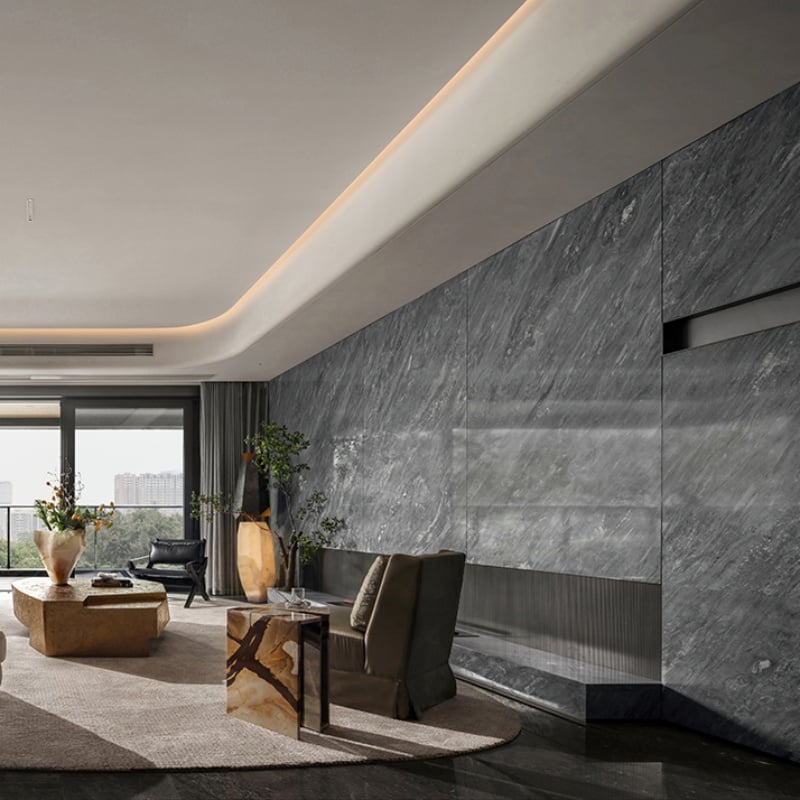
When it comes to interior design and construction, choosing the right wall covering material can significantly impact both aesthetics and functionality. Modern building materials have evolved to offer superior performance, durability, and visual appeal compared to traditional options. Among these innovative solutions, PVC wall panels have emerged as a compelling alternative to conventional materials like drywall, wood paneling, and ceramic tiles. Understanding the key differences between these materials will help you make an informed decision for your next construction or renovation project.
Material Composition and Manufacturing Process
Understanding PVC Wall Panel Construction
PVC wall panels are manufactured from polyvinyl chloride, a synthetic plastic polymer known for its exceptional durability and versatility. The manufacturing process involves extruding or molding the PVC material into panels of various sizes and thicknesses, often incorporating additives for enhanced strength, UV resistance, and fire retardancy. Modern PVC panels feature advanced surface treatments that can mimic wood grain, stone textures, or contemporary smooth finishes. The cellular structure of many PVC panels provides excellent insulation properties while maintaining lightweight characteristics that simplify installation.
The production process allows for precise control over panel dimensions, ensuring consistent quality and easy installation. Advanced manufacturing techniques enable the creation of interlocking systems that eliminate gaps and provide seamless wall coverage. Many manufacturers also incorporate antimicrobial treatments during production, making PVC panels naturally resistant to bacteria and mold growth. This controlled manufacturing environment results in products with predictable performance characteristics and minimal variation between batches.
Traditional Material Composition
Traditional wall materials encompass a diverse range of options, each with distinct composition and manufacturing processes. Drywall, composed of gypsum plaster sandwiched between paper layers, requires on-site finishing and painting to achieve the desired appearance. Wood paneling involves cutting and treating natural lumber, which can vary significantly in quality, grain pattern, and moisture content depending on the source and processing methods.
Ceramic tiles are manufactured from clay materials fired at high temperatures, creating a durable but brittle surface that requires careful handling and professional installation. Paint systems involve multiple layers of primer, base coat, and topcoat, each requiring specific environmental conditions and curing times for optimal performance. These traditional materials often require additional treatments for moisture resistance, fire safety, and pest control, adding complexity to the selection and installation process.
Installation Requirements and Complexity
PVC Panel Installation Process
Installing PVC wall panels typically involves a straightforward process that can be completed by skilled DIY enthusiasts or professional contractors. Most systems utilize either adhesive mounting or mechanical fastening to furring strips, eliminating the need for specialized tools or extensive surface preparation. The lightweight nature of PVC panels reduces physical strain during installation and allows for easier handling in tight spaces or overhead applications.
Many PVC panel systems feature interlocking edges or tongue-and-groove connections that ensure proper alignment and eliminate visible seams. This design simplifies the installation process and reduces the potential for errors that could compromise the final appearance. Most installations can be completed in a fraction of the time required for traditional materials, minimizing labor costs and project disruption. The panels can be cut to size using standard woodworking tools, allowing for easy customization around obstacles, outlets, and architectural features.
Traditional Material Installation Challenges
Traditional wall materials often require multiple skilled trades and extended installation timelines. Drywall installation involves hanging sheets, taping joints, applying multiple coats of compound, sanding, priming, and painting – a process that can take several days to complete properly. Wood paneling requires careful measurement, cutting, and finishing, often necessitating specialized woodworking skills and tools for professional results.
Ceramic tile installation demands precise surface preparation, waterproofing, adhesive application, grouting, and sealing – typically requiring professional expertise for acceptable results. Paint applications require proper surface preparation, multiple coats, and specific environmental conditions for proper curing. Weather conditions, humidity levels, and temperature variations can significantly impact installation schedules and final quality when working with traditional materials.
Durability and Maintenance Considerations
Long-term Performance of PVC Panels
PVC wall panels demonstrate exceptional long-term durability in various environmental conditions. The material's inherent resistance to moisture, chemicals, and UV degradation ensures consistent appearance and performance over many years. Unlike wood materials, PVC Wall Panel options do not warp, crack, or split when exposed to humidity changes, making them ideal for bathrooms, kitchens, and other moisture-prone environments.
The non-porous surface of PVC panels resists staining and discoloration, maintaining their original appearance with minimal maintenance. Most panels can withstand impact and abrasion better than traditional materials, reducing the likelihood of damage from daily use. The material's flexibility allows it to accommodate building movement and settling without cracking or separation at joints. Many PVC panels carry warranties of 10-25 years, reflecting manufacturers' confidence in their long-term performance.
Maintenance Requirements Comparison
Maintaining PVC wall panels requires only periodic cleaning with standard household cleaners and water. The smooth, non-porous surface prevents dirt and grime accumulation, and most stains can be removed with gentle scrubbing. There is no need for periodic painting, staining, or sealing that traditional materials require, resulting in significant long-term cost savings.
Traditional materials typically demand regular maintenance to preserve their appearance and performance. Wood paneling requires periodic staining or painting, treatment for insect damage, and potential replacement of damaged sections. Drywall surfaces need repainting every few years and repair of cracks or holes that develop over time. Ceramic tiles may require grout cleaning, sealing, and replacement of cracked or damaged tiles. Paint finishes require touch-ups and complete reapplication every 5-7 years in high-traffic areas.
Cost Analysis and Economic Factors
Initial Investment Considerations
The initial cost of PVC wall panels may appear higher than some traditional materials when comparing material costs alone. However, a comprehensive analysis must include installation labor, preparation work, and finishing materials to determine true project costs. PVC panels often reduce overall project expenses by eliminating the need for multiple trades, extensive surface preparation, and finishing materials like primer and paint.
The faster installation timeline associated with PVC panels translates to reduced labor costs and shorter project duration. This efficiency becomes particularly valuable in commercial applications where downtime directly impacts revenue. The consistent quality and predictable installation process also reduce the risk of cost overruns due to installation complications or material defects.
Long-term Economic Impact
Over the lifespan of a building, PVC wall panels often provide superior economic value compared to traditional materials. The reduced maintenance requirements eliminate recurring costs for painting, refinishing, and repairs that traditional materials demand. Energy efficiency benefits from improved insulation properties can reduce heating and cooling costs throughout the building's lifecycle.
The durability of PVC panels means fewer replacement cycles compared to materials that may require updating every 10-15 years. In commercial applications, the easy cleaning and maintenance of PVC panels can reduce janitorial costs and improve hygiene standards. The material's resistance to damage also reduces insurance claims and replacement costs associated with water damage, impact, or wear-related issues.
Environmental Impact and Sustainability
PVC Panel Environmental Considerations
Modern PVC wall panel manufacturing has evolved to address environmental concerns through improved recycling programs and reduced environmental impact during production. Many manufacturers now use recycled PVC content in their panels and have established take-back programs for end-of-life products. The long lifespan of PVC panels reduces the frequency of replacement cycles, minimizing overall material consumption and waste generation.
The durability and low maintenance requirements of PVC panels contribute to reduced environmental impact over their lifecycle. Elimination of regular painting and refinishing reduces VOC emissions and chemical usage throughout the building's operation. Energy efficiency benefits from improved insulation properties can reduce the building's carbon footprint through lower energy consumption for heating and cooling.
Traditional Material Environmental Impact
Traditional materials present varied environmental impacts depending on their source and processing requirements. Wood products may contribute to deforestation concerns, while the harvesting and processing of natural materials often requires significant energy input. The frequent maintenance and replacement cycles associated with traditional materials increase ongoing environmental impact through material consumption and waste generation.
Paint and coating systems typically contain VOCs and other chemicals that can impact indoor air quality and environmental health. The manufacturing of ceramic tiles requires high-temperature firing processes that consume significant energy and generate emissions. Drywall production involves mining gypsum and paper manufacturing, both of which have associated environmental impacts. However, many traditional materials are biodegradable and may be considered more sustainable at end-of-life compared to synthetic alternatives.
Aesthetic Options and Design Flexibility
PVC Panel Design Possibilities
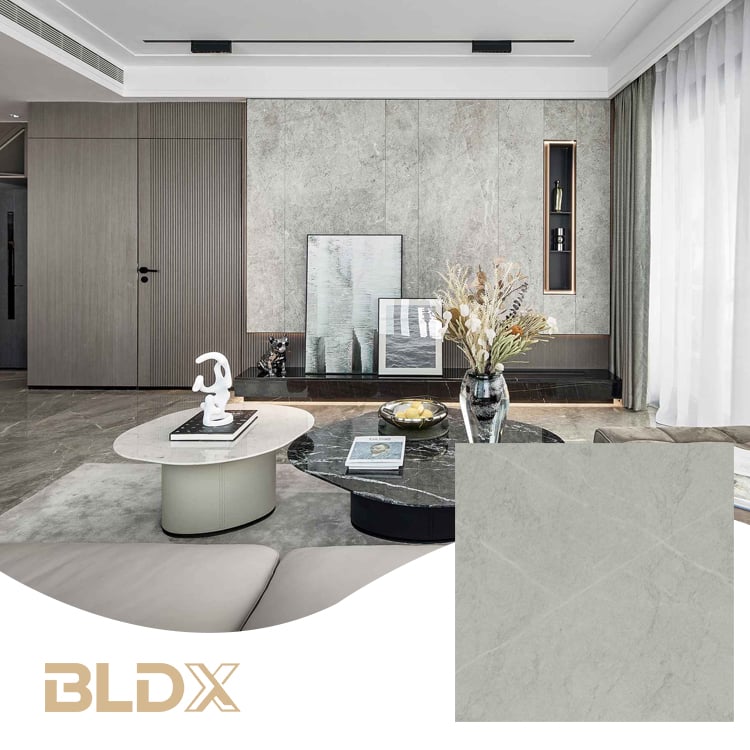
Contemporary PVC wall panels offer extensive design flexibility through advanced manufacturing techniques that create realistic textures and patterns. Wood grain patterns, stone textures, fabric appearances, and contemporary smooth finishes provide options suitable for various architectural styles and design preferences. Color consistency and fade resistance ensure that the initial design vision remains intact throughout the panel's lifespan.
Digital printing technology allows for custom patterns and designs, enabling unique architectural expressions that would be difficult or expensive to achieve with traditional materials. Panel sizes and installation patterns can create visual effects ranging from traditional wainscoting to contemporary accent walls. The ability to combine different textures and colors within the same installation provides designers with creative flexibility while maintaining material consistency and performance.
Traditional Material Design Characteristics
Traditional materials offer authentic textures and appearances that many designers and property owners prefer for their natural characteristics. Wood paneling provides genuine wood grain patterns and the ability to accept various stain and finish options for customization. Natural stone and ceramic materials offer unique variations in pattern and color that create distinctive visual appeal.
Paint systems provide unlimited color options and can be easily changed to accommodate evolving design preferences. However, achieving consistent appearance with traditional materials can be challenging due to natural variations in wood grain, stone pattern, or installation differences. The aging characteristics of traditional materials may be desired in some applications but problematic in others where consistent appearance is important.
FAQ
How long do PVC wall panels typically last compared to traditional materials
PVC wall panels generally last 20-30 years with minimal maintenance, significantly longer than most traditional materials. Wood paneling may last 15-20 years but requires regular refinishing, while paint typically needs renewal every 5-7 years. Ceramic tiles can last decades but may require grout replacement and individual tile repairs. The consistent performance of PVC panels throughout their lifespan makes them a more predictable long-term investment compared to traditional materials that may show wear or require updates more frequently.
Are PVC wall panels suitable for high-moisture environments like bathrooms
PVC wall panels excel in high-moisture environments due to their non-porous surface and inherent water resistance. Unlike wood paneling that can warp or rot, or drywall that can develop mold issues, PVC panels maintain their integrity and appearance in bathrooms, kitchens, and other humid spaces. The seamless installation possible with interlocking PVC panels eliminates gaps where moisture could penetrate, providing superior protection compared to traditional materials that may require additional waterproofing measures.
Can PVC wall panels be painted or refinished if design preferences change
While PVC wall panels can be painted using appropriate primers and paints designed for plastic surfaces, this approach negates many of the material's maintenance-free benefits. The original factory finish on quality PVC panels typically provides superior durability and appearance compared to field-applied coatings. For design flexibility, it's generally better to select panels with the desired appearance initially or choose removable panel systems that allow for easy replacement when design preferences change.
How do PVC wall panels perform in terms of fire safety compared to traditional materials
Modern PVC wall panels often incorporate fire-retardant additives and meet or exceed building code requirements for flame spread and smoke development. Many products carry Class A fire ratings, comparable to or better than traditional materials like wood paneling. While PVC panels are synthetic materials, they typically perform better in fire situations than untreated wood and don't contribute paper backing like drywall. However, specific fire performance requirements should always be verified with local building codes and the manufacturer's specifications for any particular application.
Table of Contents
- Material Composition and Manufacturing Process
- Installation Requirements and Complexity
- Durability and Maintenance Considerations
- Cost Analysis and Economic Factors
- Environmental Impact and Sustainability
- Aesthetic Options and Design Flexibility
-
FAQ
- How long do PVC wall panels typically last compared to traditional materials
- Are PVC wall panels suitable for high-moisture environments like bathrooms
- Can PVC wall panels be painted or refinished if design preferences change
- How do PVC wall panels perform in terms of fire safety compared to traditional materials