
 EN
EN

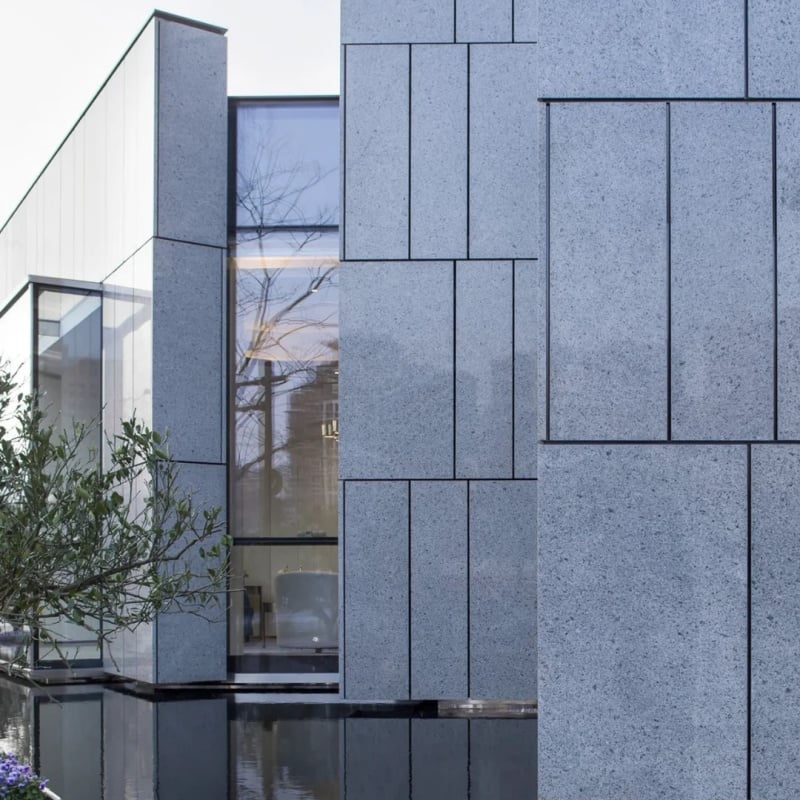
Modern interior design has evolved significantly over the past decade, with homeowners and business owners seeking materials that combine aesthetics, durability, and cost-effectiveness. Among the most innovative solutions available today, PVC wall panels have emerged as a game-changing option that transforms ordinary spaces into stunning environments. These versatile panels offer an exceptional blend of practical benefits and visual appeal, making them an increasingly popular choice for residential and commercial applications worldwide.
Superior Durability and Longevity
Weather Resistance Properties
PVC wall panels demonstrate remarkable resistance to environmental factors that typically damage traditional wall materials. Unlike wood or drywall, these panels withstand humidity fluctuations, temperature changes, and moisture exposure without warping, cracking, or deteriorating. This exceptional weather resistance makes them ideal for areas with challenging climate conditions, including basements, bathrooms, and outdoor covered spaces.
The inherent stability of PVC material ensures that panels maintain their structural integrity for decades. Professional installations often come with warranties extending 15 to 25 years, reflecting manufacturers' confidence in the product's longevity. This durability translates into significant long-term value, as property owners avoid frequent replacements or extensive maintenance requirements.
Impact and Scratch Resistance
High-quality PVC wall panels feature robust construction that resists physical damage from everyday use. The material's flexibility allows it to absorb minor impacts without cracking, while its smooth surface resists scratching from furniture, equipment, or regular cleaning activities. This resilience proves particularly valuable in high-traffic commercial environments, schools, healthcare facilities, and busy family homes.
The panels' resistance to dents and dings means that walls maintain their pristine appearance even after years of use. Unlike painted surfaces that show scuff marks or wallpaper that tears easily, PVC panels retain their original finish with minimal maintenance intervention. This characteristic significantly reduces long-term upkeep costs and ensures consistent visual appeal.
Effortless Installation Process
Simple Assembly Methods
One of the most compelling advantages of PVC wall panels lies in their straightforward installation process. Most systems utilize tongue-and-groove connections or clip-on mechanisms that allow for quick assembly without specialized tools or extensive construction experience. This user-friendly approach enables both professional contractors and skilled DIY enthusiasts to complete installations efficiently.
The lightweight nature of PVC panels eliminates the need for heavy-duty support structures or complex mounting systems. Standard wall studs or furring strips provide adequate support, and panels can be cut to size using conventional woodworking tools. This simplicity dramatically reduces installation time compared to traditional materials like tile or stone veneer.
Minimal Preparation Requirements
Unlike many wall covering options that demand extensive surface preparation, PVC panels can be installed over various existing surfaces with minimal preparation work. Clean, dry walls provide an adequate substrate, eliminating the need for expensive demolition or extensive patching. This capability allows for quick room transformations without major construction disruptions.
The forgiving nature of PVC panel installation means that minor wall imperfections become invisible once panels are in place. Small cracks, nail holes, or surface irregularities disappear beneath the smooth panel surface, creating a flawless finished appearance without costly wall repairs or professional plastering services.
Cost-Effective Investment
Competitive Initial Pricing
When comparing material costs across various wall covering options, PVC Wall Panel systems consistently offer competitive pricing that fits diverse budget requirements. The manufacturing efficiency of PVC production allows suppliers to offer high-quality panels at prices significantly lower than natural materials like hardwood, stone, or premium wallpapers. This affordability makes sophisticated interior design accessible to a broader range of consumers.
Bulk purchasing opportunities and standardized sizing further reduce material costs for larger projects. Many suppliers offer quantity discounts that make PVC panels even more economical for whole-room installations or multi-room renovations. The consistent pricing structure helps project managers accurately estimate costs and stay within established budgets.
Reduced Labor Expenses
The simplified installation process of PVC panels translates directly into lower labor costs for professional installations. Contractors can complete installations faster than traditional materials, reducing hourly labor charges and project timelines. This efficiency allows homeowners and businesses to achieve premium wall finishes without premium labor expenses.
For DIY installations, the minimal skill requirements and straightforward assembly process eliminate the need to hire professional installers entirely. Clear manufacturer instructions and widely available online tutorials enable confident homeowners to tackle panel installations as weekend projects, saving hundreds or thousands of dollars in professional installation fees.
Exceptional Maintenance Benefits
Easy Cleaning Requirements
PVC wall panels feature smooth, non-porous surfaces that resist dirt accumulation and simplify routine cleaning tasks. Regular maintenance requires nothing more than wiping with a damp cloth or standard household cleaners, making them ideal for busy households or commercial spaces with limited maintenance staff. The panels' resistance to staining means that spills and marks can be removed quickly without permanent damage.
Unlike painted surfaces that may require periodic touch-ups or wallpaper that collects dust in textured areas, PVC panels maintain their appearance with minimal effort. This low-maintenance characteristic proves especially valuable in kitchens, bathrooms, and other areas prone to splashes, humidity, or frequent cleaning requirements.
Long-Term Preservation
The inherent stability of PVC material means that panels retain their original color, texture, and structural integrity for decades without special treatments or protective coatings. UV-resistant formulations prevent fading even in areas with significant natural light exposure, ensuring consistent appearance throughout the panels' service life.
This preservation capability eliminates the cyclical costs associated with repainting, re-wallpapering, or refinishing that characterize traditional wall treatments. Property owners can confidently invest in PVC panels knowing that their appearance will remain fresh and attractive for many years without additional maintenance expenses or renovation disruptions.
Versatile Design Applications
Diverse Style Options
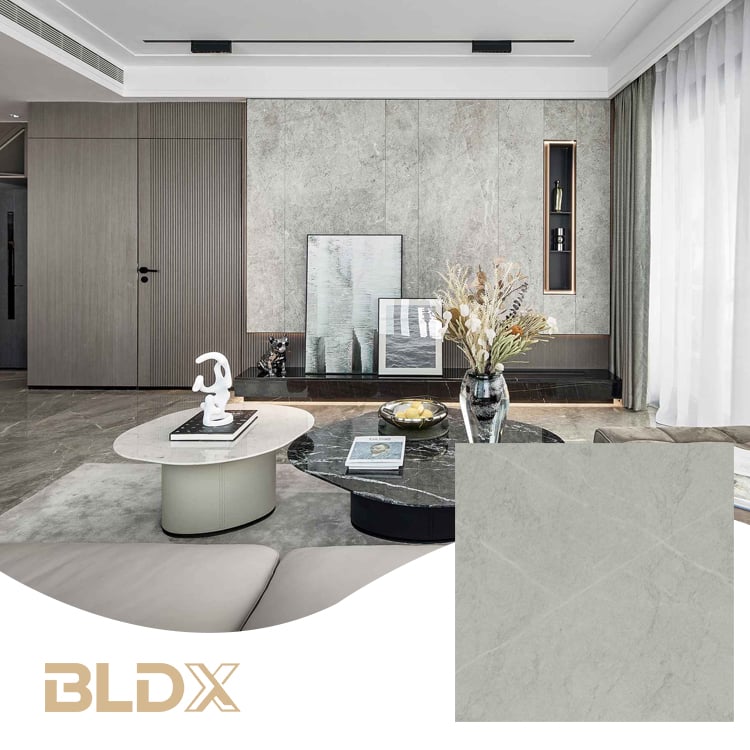
Contemporary PVC wall panel manufacturing produces an impressive array of design options that accommodate virtually any aesthetic preference. From realistic wood grain textures to modern geometric patterns, marble effects, and solid colors, panels provide design flexibility that rivals traditional premium materials. Advanced printing technologies create convincing reproductions of natural materials at a fraction of the cost.
The availability of custom colors and patterns allows designers and homeowners to create unique spaces that reflect personal style preferences or corporate branding requirements. Many manufacturers offer color-matching services that coordinate panels with existing decor elements, ensuring seamless integration into established design schemes.
Multiple Application Environments
PVC wall panels excel in diverse installation environments, from residential living rooms and bedrooms to commercial offices, retail spaces, and industrial facilities. Their versatility stems from the material's adaptability to different moisture levels, temperature ranges, and usage intensities without compromising performance or appearance.
Healthcare facilities, educational institutions, and hospitality businesses particularly benefit from PVC panels' hygienic properties and easy maintenance requirements. The panels' resistance to bacterial growth and simple cleaning protocols make them ideal for environments where cleanliness and infection control are paramount concerns.
Environmental and Health Considerations
Sustainable Material Properties
Modern PVC wall panel production increasingly emphasizes environmental responsibility through recyclable materials and efficient manufacturing processes. Many panels contain recycled content and can be recycled at the end of their service life, reducing landfill waste and supporting circular economy principles. This environmental consideration appeals to environmentally conscious consumers and businesses pursuing green building certifications.
The longevity of PVC panels contributes to their environmental benefits by reducing the frequency of replacements and associated waste generation. A single installation can serve for decades, minimizing the environmental impact associated with repeated material production, transportation, and disposal that characterizes shorter-lived alternatives.
Indoor Air Quality Benefits
High-quality PVC wall panels emit minimal volatile organic compounds (VOCs) compared to many traditional building materials, contributing to healthier indoor air quality. This characteristic proves particularly important in offices, schools, and healthcare facilities where occupant health and comfort are priority concerns.
The non-porous surface of PVC panels resists mold and mildew growth, eliminating potential sources of indoor air pollutants that can trigger allergies or respiratory issues. This resistance to biological contamination makes PVC panels an excellent choice for individuals with sensitivities or in environments where air quality standards are strictly regulated.
FAQ
How long do PVC wall panels typically last in residential applications
PVC wall panels in residential settings typically maintain their appearance and structural integrity for 20 to 30 years or more, depending on the quality of the panels and installation conditions. High-quality panels often come with manufacturer warranties of 15 to 25 years, reflecting their expected lifespan. Factors such as exposure to direct sunlight, humidity levels, and physical wear can influence longevity, but proper installation and minimal maintenance ensure decades of reliable performance.
Can PVC wall panels be installed over existing wallpaper or painted surfaces
Yes, PVC wall panels can generally be installed over existing wallpaper or painted surfaces, provided the substrate is clean, dry, and firmly adhered to the wall. Loose or peeling wallpaper should be removed, and glossy painted surfaces may require light sanding to improve adhesion. The ability to install over existing finishes eliminates costly demolition work and reduces installation time and mess significantly.
Are PVC wall panels suitable for high-moisture environments like bathrooms
PVC wall panels excel in high-moisture environments such as bathrooms, laundry rooms, and basements due to their inherent water resistance and dimensional stability. Unlike drywall or wood materials that can warp, rot, or develop mold in humid conditions, PVC panels maintain their integrity and appearance. Proper installation with appropriate sealants around edges ensures complete moisture protection and prevents water infiltration behind the panels.
What tools are required for DIY installation of PVC wall panels
DIY installation of PVC wall panels requires basic tools commonly found in most home workshops, including a measuring tape, level, saw (circular or miter), drill, screws or construction adhesive, and safety equipment. Most panel systems use simple tongue-and-groove or clip-on connections that don't require specialized fasteners or complex installation techniques. Clear manufacturer instructions typically guide homeowners through the entire process step by step.