
 EN
EN

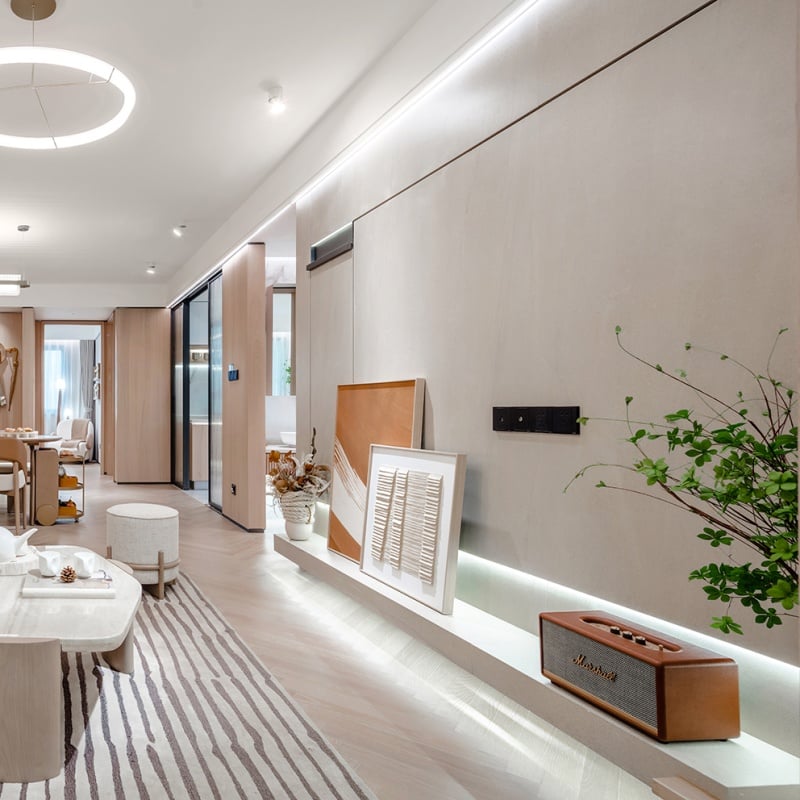
Contemporary interior design has evolved dramatically over the past decade, with homeowners and commercial spaces increasingly seeking innovative solutions that combine aesthetic appeal with functional benefits. The rise of modern wall panel systems represents a significant shift in how we approach interior wall treatments, offering versatility that traditional wallpaper and paint simply cannot match. These sophisticated architectural elements transform ordinary spaces into striking environments while providing practical advantages such as improved acoustics, enhanced insulation, and easier maintenance. Whether you're renovating a residential property or designing a commercial space, understanding the nuances of contemporary wall panel systems can help you make informed decisions that align with both your design vision and budget constraints.
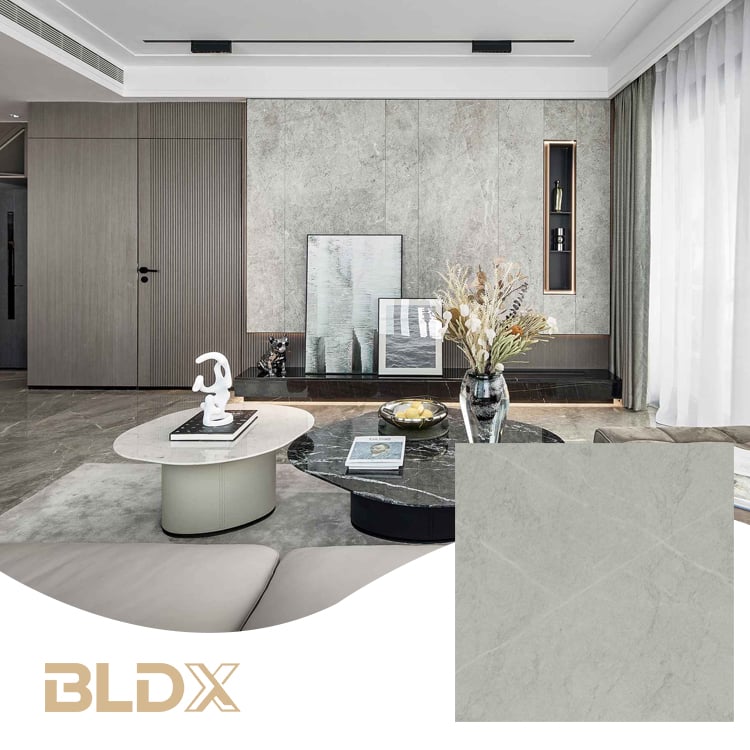
Understanding Contemporary Wall Panel Systems
Definition and Core Characteristics
A modern wall panel system consists of prefabricated decorative elements designed to be mounted directly onto existing wall surfaces or integrated into new construction projects. Unlike traditional wainscoting or wood paneling, contemporary systems incorporate advanced materials and manufacturing techniques to achieve clean lines, seamless joints, and sophisticated surface textures. These panels typically feature modular designs that allow for customizable configurations, enabling designers to create unique patterns and visual effects tailored to specific spaces.
The fundamental appeal of modern wall panel installations lies in their ability to add dimensional interest without the complexity of major structural modifications. Most systems utilize lightweight materials that can be installed over existing drywall, plaster, or masonry surfaces using specialized mounting hardware. This approach significantly reduces installation time and labor costs compared to traditional alternatives while maintaining professional-grade aesthetic results.
Evolution from Traditional Paneling
The transition from classic wood paneling to contemporary alternatives represents more than just aesthetic preferences; it reflects changing priorities in sustainable building practices and maintenance requirements. Traditional paneling often required extensive carpentry skills and substantial material investments, limiting accessibility for many projects. Modern alternatives leverage engineered materials and precision manufacturing to deliver consistent quality while reducing environmental impact through optimized material usage and recyclable components.
Contemporary panel systems also address common limitations of historical approaches, such as susceptibility to moisture damage, warping, and color fading. Advanced surface treatments and core materials provide enhanced durability and dimensional stability, making modern wall panel options suitable for high-traffic commercial environments and challenging residential applications like bathrooms and basements.
Material Options and Performance Characteristics
High-Density Fiberboard Solutions
High-density fiberboard represents one of the most popular material choices for contemporary wall panel applications due to its excellent dimensional stability and smooth surface finish. This engineered wood product combines recycled wood fibers with synthetic resins under high pressure and temperature, creating a uniform substrate that accepts paint, veneer, and laminate finishes exceptionally well. The density and composition of HDF panels provide superior screw-holding capacity compared to particle board alternatives while maintaining cost-effectiveness for large-scale installations.
The manufacturing process for HDF modern wall panel products ensures consistent thickness and flatness, eliminating the natural variations found in solid wood materials. This uniformity translates to easier installation and more predictable visual results, particularly important for commercial projects where aesthetic consistency across large wall areas is critical. Additionally, HDF panels typically feature moisture-resistant properties through specialized additives, extending their suitability to areas with elevated humidity levels.
Composite and Engineered Materials
Advanced composite materials have revolutionized the wall panel industry by combining the best characteristics of multiple base materials while eliminating individual weaknesses. These engineered solutions often incorporate recycled content, natural fibers, and synthetic polymers to create panels with enhanced strength-to-weight ratios and improved environmental resistance. The flexibility of composite manufacturing allows for integrated color and texture features that eliminate the need for separate finishing processes.
Polyvinyl chloride and polymer-based panels represent another significant category within the composite material family, offering exceptional moisture resistance and easy maintenance characteristics. These materials prove particularly valuable in healthcare, hospitality, and food service environments where hygiene requirements and frequent cleaning protocols demand non-porous surface materials that resist bacterial growth and chemical degradation.
Installation Methods and Technical Considerations
Preparation and Planning Requirements
Successful modern wall panel installation begins with thorough surface preparation and accurate measurement of the intended installation area. Wall surfaces must be clean, dry, and reasonably flat to ensure proper panel adhesion and alignment. Any existing damage such as holes, cracks, or surface irregularities should be repaired and primed before panel installation begins. Professional installers typically use laser levels and chalk lines to establish reference points that ensure straight, level panel placement across the entire wall surface.
Material acclimation represents another critical preparation step that significantly impacts long-term installation success. Most panel materials require 24-48 hours in the installation environment to adjust to local temperature and humidity conditions. This acclimation period prevents expansion or contraction issues that could compromise joint integrity or create visible gaps between adjacent panels. Proper storage during this period involves stacking panels flat with adequate air circulation and protection from direct sunlight or moisture exposure.
Mounting Systems and Hardware
Contemporary wall panel systems utilize various mounting approaches depending on panel weight, wall substrate, and intended permanence of the installation. Adhesive mounting represents the most common approach for lightweight panels, using construction-grade adhesives specifically formulated for the panel material and wall substrate combination. These adhesives provide strong initial tack and develop full bond strength over 24-48 hours, creating permanent installations suitable for most residential and commercial applications.
Mechanical fastening systems offer advantages for heavier panels or installations requiring future removability. Hidden fastener systems maintain clean visual appearance while providing secure attachment through specialized clips or brackets that engage panel edges or back surfaces. These systems often incorporate adjustment mechanisms that accommodate minor wall irregularities and allow for precise panel alignment during installation.
Cost Analysis and Budget Planning
Material Cost Factors
The cost structure for modern wall panel projects involves multiple variables that significantly impact total project investment. Base material costs typically range from moderate to premium depending on the chosen material type, surface finish, and manufacturing complexity. Standard HDF panels with painted finishes represent the most economical option, while specialty composites with integrated textures or wood grain patterns command higher prices due to advanced manufacturing requirements and specialized raw materials.
Panel thickness and size also influence material costs, with thicker panels generally providing better acoustic performance and visual impact at correspondingly higher prices. Large-format panels reduce installation labor requirements but may increase material waste in irregularly shaped rooms or areas with numerous interruptions such as windows, doors, and electrical outlets. Careful planning and accurate measurements help optimize material utilization and minimize waste-related cost increases.
Installation and Labor Considerations
Professional installation costs for modern wall panel projects depend on several factors including room complexity, panel system type, and local labor rates. Simple rectangular rooms with minimal interruptions typically require less installation time per square foot compared to areas with complex geometries, built-in fixtures, or multiple elevation changes. The skill level required for specific panel systems also affects labor costs, with adhesive-mounted systems generally requiring less specialized expertise than mechanical fastening approaches.
Additional cost considerations include surface preparation requirements, electrical work for outlet relocation, and finishing touches such as trim installation and caulking. These ancillary tasks can represent 20-30% of total project costs but are essential for achieving professional-quality results. Obtaining detailed quotes from qualified contractors helps establish realistic budget expectations and identifies potential cost-saving opportunities through material selection or installation approach modifications.
Design Applications and Aesthetic Considerations
Residential Interior Applications
Modern wall panel systems offer homeowners tremendous flexibility in creating distinctive interior environments that reflect personal style preferences while adding tangible value to their properties. Living rooms and family spaces benefit from the dimensional interest and sophisticated appearance that well-designed panel installations provide, particularly when combined with strategic lighting to emphasize texture and shadow lines. The acoustic benefits of panel systems also contribute to more comfortable living environments by reducing sound transmission and echo effects common in contemporary open-plan designs.
Bedroom applications for modern wall panel systems create dramatic accent walls that serve as focal points while maintaining the calm, restful atmosphere essential for sleeping spaces. The insulation properties of many panel materials contribute to improved temperature control and energy efficiency, particularly beneficial in older homes with inadequate wall insulation. Master bedroom installations often incorporate integrated storage solutions or hidden cable management features that enhance both functionality and aesthetic appeal.
Commercial and Office Environments
Commercial applications for contemporary wall panel systems span numerous industries and facility types, from corporate offices to retail spaces and healthcare facilities. The durability and low maintenance requirements of modern panel materials make them particularly suitable for high-traffic areas where traditional wall coverings would require frequent replacement or repair. Professional office environments benefit from the sophisticated appearance and sound-dampening properties that contribute to productive work environments and professional client impressions.
Retail environments utilize modern wall panel systems to create branded experiences and highlight merchandise displays while maintaining cost-effective solutions for periodic redesigns. The modularity of contemporary panel systems allows retailers to reconfigure wall treatments as needed for seasonal displays or layout changes without major renovation expenses. Healthcare and hospitality applications leverage the hygienic properties and easy maintenance characteristics of specialized panel materials designed for environments with stringent cleanliness requirements.
Maintenance and Longevity
Cleaning and Care Protocols
Proper maintenance of modern wall panel installations ensures optimal appearance and extends service life while minimizing long-term replacement costs. Most panel materials respond well to regular dusting with microfiber cloths or soft brush attachments on vacuum cleaners, removing accumulated dirt and debris that can dull surface finishes over time. The frequency of cleaning depends on environmental factors such as foot traffic, air quality, and exposure to cooking vapors or industrial processes.
Deep cleaning procedures vary according to panel material and surface finish, with most systems accommodating mild detergent solutions applied with damp cloths or sponges. Avoiding harsh chemicals, abrasive cleaners, and excessive moisture prevents damage to surface treatments and underlying panel materials. Specialized cleaning products designed for specific panel materials often provide superior results while maintaining manufacturer warranty coverage for commercial installations.
Long-term Performance Expectations
Quality modern wall panel systems typically provide service lives of 15-25 years under normal residential conditions, with commercial applications potentially requiring earlier replacement due to higher wear and exposure levels. The dimensional stability of engineered panel materials minimizes common problems such as warping, splitting, or joint separation that affect traditional wood paneling systems. Surface finish durability varies among different panel types, with laminated and thermoformed surfaces generally providing superior resistance to fading, staining, and impact damage.
Environmental factors significantly influence panel longevity, with temperature fluctuations, humidity levels, and UV exposure representing primary concerns for maintaining optimal appearance and structural integrity. Proper climate control in interior environments helps maximize panel service life while preventing premature deterioration that could necessitate costly replacement projects. Regular inspection and prompt attention to minor damage prevents localized problems from spreading and compromising overall installation integrity.
FAQ
What is the typical lifespan of a modern wall panel installation
Most quality modern wall panel systems provide excellent service for 15-25 years under normal residential conditions, with some premium materials lasting even longer with proper maintenance. Commercial installations may experience shorter lifespans due to higher traffic and wear levels, typically ranging from 10-20 years depending on the environment and usage patterns. The key factors affecting longevity include material quality, installation workmanship, environmental conditions, and maintenance consistency throughout the service life.
Can modern wall panels be installed over existing wallpaper or textured surfaces
While modern wall panel systems can accommodate various substrate conditions, optimal results require proper surface preparation that may include wallpaper removal or texture smoothing. Thin wallpaper in good condition may be acceptable if properly primed and sealed, but loose or peeling wallpaper should be completely removed to ensure adequate panel adhesion. Heavily textured surfaces typically require skim coating or sanding to create the smooth, uniform surface necessary for professional-quality panel installation.
How do modern wall panels compare to traditional wainscoting in terms of cost and installation time
Modern wall panel systems typically cost 20-40% less than traditional custom wainscoting while requiring significantly less installation time due to their prefabricated nature and simplified mounting methods. Traditional wainscoting projects often involve extensive carpentry work, custom fitting, and multiple finishing steps that increase both material and labor costs. Contemporary panel systems achieve similar aesthetic results through engineered designs that eliminate much of the complexity associated with traditional approaches while maintaining comparable visual impact and functionality.
Are there fire-rated options available for commercial modern wall panel applications
Yes, numerous manufacturers offer fire-rated modern wall panel systems specifically designed for commercial applications with stringent building code requirements. These specialized panels incorporate flame-retardant materials and construction methods that achieve various fire resistance ratings from Class A to Class C depending on the specific application requirements. Professional specification and installation of fire-rated systems ensures compliance with local building codes while maintaining the aesthetic and functional benefits of standard panel systems in commercial environments.
Table of Contents
- Understanding Contemporary Wall Panel Systems
- Material Options and Performance Characteristics
- Installation Methods and Technical Considerations
- Cost Analysis and Budget Planning
- Design Applications and Aesthetic Considerations
- Maintenance and Longevity
-
FAQ
- What is the typical lifespan of a modern wall panel installation
- Can modern wall panels be installed over existing wallpaper or textured surfaces
- How do modern wall panels compare to traditional wainscoting in terms of cost and installation time
- Are there fire-rated options available for commercial modern wall panel applications