
 EN
EN

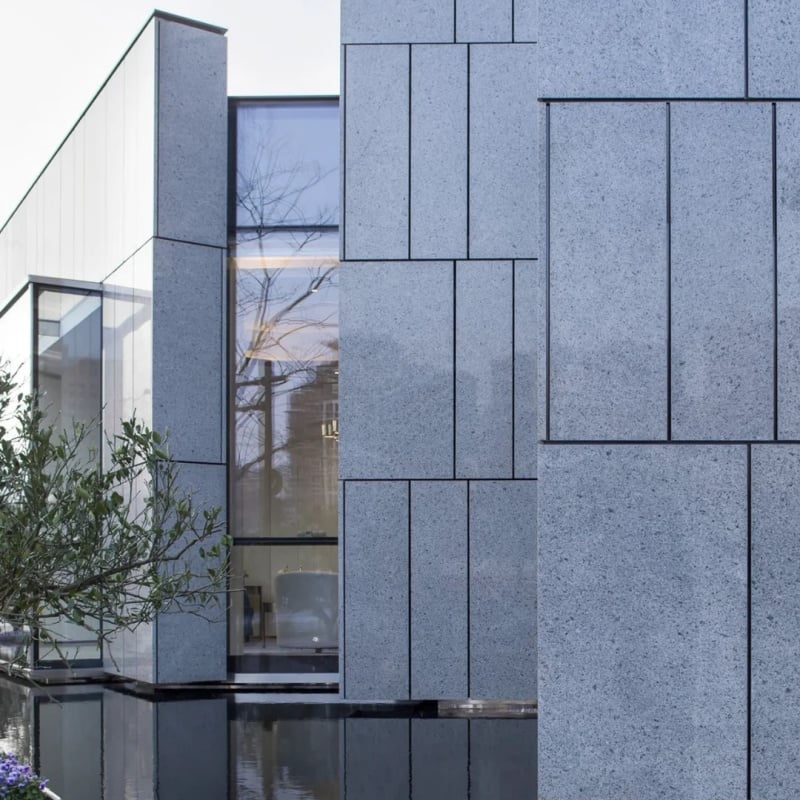
Stone effect paint has revolutionized interior design by offering homeowners and professionals an affordable way to achieve stunning natural stone aesthetics without the weight and expense of real stone. This specialized coating technique creates realistic textural finishes that mimic granite, marble, slate, and other natural stone surfaces. Understanding proper application methods ensures professional-quality results that enhance any space with sophisticated elegance and durability.
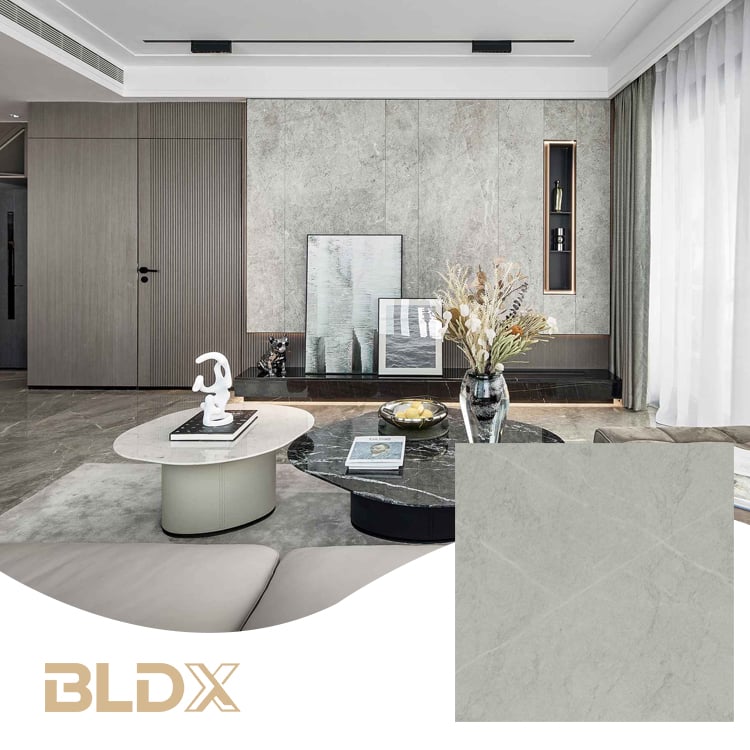
The popularity of decorative stone finishes continues growing across residential and commercial projects. Property owners appreciate how these coatings deliver authentic stone appearances while maintaining flexibility for future design changes. Modern formulations provide excellent adhesion, weather resistance, and color retention that outperforms traditional alternatives.
Essential Preparation Techniques for Stone Effect Applications
Surface Assessment and Cleaning Requirements
Successful stone effect paint application begins with thorough surface preparation that determines the final quality and longevity of your finish. Clean surfaces must be completely free from dust, grease, loose particles, and previous coating failures. Use appropriate cleaning agents for different substrate types, ensuring complete removal of any contaminants that could compromise adhesion.
Inspect walls carefully for cracks, holes, or surface irregularities that require repair before coating application. Fill larger gaps with suitable filler compounds and sand smooth once fully cured. Minor surface imperfections can actually enhance the natural stone appearance, but significant defects will show through the finished coating and detract from the overall effect.
Primer Selection and Application Methods
Choose high-quality primers specifically designed for your substrate material and the stone effect paint system you plan to use. Different wall materials require different primer formulations to ensure proper adhesion and prevent potential compatibility issues. Apply primer evenly using appropriate tools, maintaining consistent coverage across all surfaces.
Allow primer to cure completely according to manufacturer specifications before proceeding with decorative coating application. Proper curing time varies based on temperature, humidity, and ventilation conditions in your working environment. Rushing this critical step often leads to adhesion failures and coating defects that require expensive remediation.
Advanced Application Techniques for Professional Results
Tool Selection and Preparation Methods
Professional stone effect paint applications require specialized tools designed specifically for textural coating work. Natural sea sponges create authentic granite-like textures, while synthetic alternatives provide more consistent patterns for uniform appearances. Experiment with different sponge types and densities to achieve your desired stone characteristics.
Prepare multiple sponges before beginning application, as maintaining wet tools prevents texture inconsistencies throughout the project. Keep clean water containers nearby for regular tool cleaning and maintain consistent moisture levels in your application tools. Dry or contaminated tools create obvious pattern variations that compromise the natural stone appearance.
Color Layering and Blending Strategies
Creating convincing stone effect paint finishes requires understanding natural stone color variations and mineral patterns found in authentic materials. Start with darker base colors and gradually build lighter tones through successive applications. This layering approach mimics how natural stone formations develop their characteristic depth and visual complexity.
Work in manageable sections to maintain wet edges and prevent visible lap marks between application areas. Blend colors while still workable, using gentle dabbing motions rather than wiping or smearing techniques that can muddy color transitions. Practice on sample boards to develop consistent application pressure and timing before working on final surfaces.
Troubleshooting Common Application Challenges
Texture Consistency and Pattern Control
Maintaining uniform texture patterns across large wall areas presents challenges even for experienced applicators. Develop systematic application sequences that ensure consistent coverage without creating obvious repetitive patterns. Rotate sponges regularly and vary application angles to prevent mechanical-looking textures that appear artificial.
Monitor application pressure throughout the project, as fatigue often leads to heavier or lighter texturing that creates visible inconsistencies. Take regular breaks to maintain consistent technique and inspect your work from different viewing angles under various lighting conditions. Natural stone exhibits subtle variations that enhance realism without creating distracting pattern repetitions.
Environmental Factors and Timing Considerations
Temperature and humidity significantly impact stone effect paint performance during application and curing phases. Ideal conditions typically fall within specific ranges that optimize working time and final appearance quality. Extreme temperatures can cause rapid drying that prevents proper texture development or extends curing times beyond practical limits.
Plan application timing around weather conditions and indoor climate control systems that might affect coating performance. High humidity can extend drying times and potentially cause color bleeding between layers, while low humidity might cause premature surface skinning that prevents proper texture formation. Monitor conditions throughout the application process and adjust techniques accordingly.
Quality Control and Finishing Procedures
Inspection Techniques and Touch-Up Methods
Systematic quality inspection identifies areas requiring attention before final curing makes corrections difficult or impossible. Use consistent lighting conditions during inspection phases, as different light sources can reveal texture or color variations not apparent under working conditions. Mark areas requiring touch-ups with removable tape to ensure comprehensive correction coverage.
Develop touch-up techniques that blend seamlessly with surrounding areas without creating obvious repair marks. Small defects often require complete section reapplication rather than spot corrections that remain visible in finished surfaces. Plan sufficient material reserves for touch-up work and potential section repairs during quality control phases.
Protective Coating Applications
Many stone effect paint systems benefit from protective topcoat applications that enhance durability and simplify maintenance requirements. Select topcoats compatible with your base coating system and application environment conditions. Some protective coatings can alter appearance characteristics, so test compatibility on sample areas before full application.
Apply protective coatings according to manufacturer specifications, maintaining consistent coverage and avoiding application defects that could compromise protection levels. Proper topcoat application extends coating life significantly and often provides enhanced cleanability for high-traffic or commercial applications where maintenance considerations are critical.
Long-Term Maintenance and Care Strategies
Cleaning Methods and Maintenance Schedules
Establishing proper maintenance routines ensures stone effect paint finishes retain their appearance and performance characteristics throughout their service life. Regular cleaning prevents dirt accumulation that can dull surface appearance and potentially cause premature coating degradation. Use appropriate cleaning methods that remove contaminants without damaging textural surfaces.
Different stone effect finishes require specific maintenance approaches based on their texture depth and protective coating systems. Smooth finishes typically clean more easily than heavily textured surfaces that can trap dirt in surface irregularities. Develop cleaning schedules appropriate for your specific installation environment and usage patterns.
Repair Procedures and System Longevity
Understanding repair procedures for stone effect paint systems enables cost-effective maintenance that extends overall system life. Minor damage often requires localized repairs using techniques similar to original application methods. Maintain detailed records of original materials and application methods to ensure repair compatibility and appearance matching.
Plan periodic inspection schedules that identify potential issues before they require extensive repairs. Early intervention often prevents minor problems from developing into major coating failures that necessitate complete system replacement. Professional assessment may be valuable for high-value installations or complex commercial applications where system failure could have significant consequences.
FAQ
What surfaces are suitable for stone effect paint application
Stone effect paint adheres well to properly prepared drywall, plaster, concrete, wood, and previously painted surfaces. The key is ensuring surfaces are clean, stable, and properly primed with compatible primer systems. Glossy or non-porous surfaces may require special preparation or primer selection to achieve adequate adhesion for long-term performance.
How long does stone effect paint take to fully cure
Complete curing typically requires 24-48 hours under normal conditions, though surface touch-dry occurs within 2-4 hours. Curing time varies based on temperature, humidity, coating thickness, and ventilation. Avoid heavy cleaning or contact during curing phases to prevent surface damage or texture distortion that could compromise final appearance quality.
Can stone effect paint be applied over existing paint
Yes, stone effect paint can be applied over existing paint provided the surface is properly prepared and compatible primers are used. Test adhesion in inconspicuous areas before full application, especially over unknown coating types. Some existing finishes may require removal or special preparation to ensure adequate bonding and prevent compatibility issues.
What tools are essential for achieving professional stone effect results
Essential tools include natural sea sponges, high-quality brushes, roller covers designed for textural work, and appropriate mixing containers. Maintain multiple sponges in different sizes and densities to create varied texture effects. Quality tools significantly impact final results and are worth the investment for professional-looking stone effect paint applications.