
 EN
EN

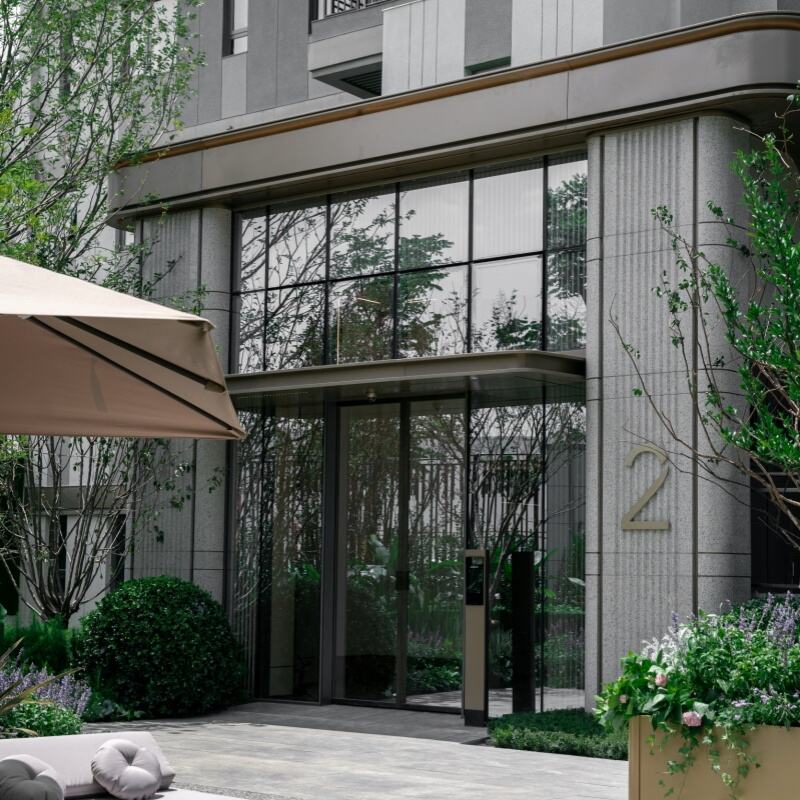
Coastal hotels face unique challenges that inland properties rarely encounter. The combination of salt air, high humidity, and constant moisture exposure creates an environment where traditional wall materials quickly deteriorate, leading to costly repairs and frequent maintenance cycles. Waterproof wall panels have emerged as the definitive solution for hospitality properties operating in marine environments, offering superior protection against moisture damage while maintaining aesthetic appeal. These specialized panels provide a protective barrier that extends the lifespan of interior structures while reducing long-term operational costs for hotel owners and facility managers.
Understanding Coastal Environmental Challenges
Salt Air Corrosion and Material Degradation
The coastal environment presents a perfect storm of conditions that accelerate material breakdown in commercial buildings. Salt-laden air penetrates building interiors through ventilation systems and guest room balconies, creating a corrosive atmosphere that attacks conventional wall materials. Traditional drywall and painted surfaces absorb moisture from the air, leading to swelling, cracking, and eventual structural compromise. Waterproof wall panels resist these environmental factors by providing a non-porous surface that prevents moisture absorption and salt crystallization within wall structures.
The economic impact of salt air damage extends beyond simple cosmetic issues. Hotels operating near coastlines report maintenance costs that are typically 40-60% higher than comparable inland properties due to accelerated wear patterns. Waterproof wall panels significantly reduce these expenses by creating a protective barrier that maintains structural integrity even under constant exposure to marine conditions. The initial investment in quality wall protection systems pays dividends through reduced repair frequency and extended renovation cycles.
Humidity Management in Hospitality Settings
Coastal hotels must manage humidity levels that often exceed 70% year-round, creating conditions conducive to mold growth and material degradation. Guest bathrooms, spa facilities, and pool areas become particularly challenging environments where moisture accumulation can quickly overwhelm traditional wall treatments. Waterproof wall panels excel in these high-humidity applications by preventing moisture penetration while allowing easy cleaning and maintenance protocols that keep surfaces hygienic and visually appealing.
Professional facility managers understand that humidity control extends beyond guest comfort to encompass structural preservation and health code compliance. Waterproof wall panels contribute to overall humidity management strategies by eliminating moisture absorption points that can become breeding grounds for harmful microorganisms. This proactive approach to moisture control helps hotels maintain consistent indoor air quality while protecting valuable interior investments from premature deterioration.
Performance Advantages of Modern Wall Panel Systems
Moisture Resistance Technology
Contemporary waterproof wall panels utilize advanced polymer technologies and surface treatments that create impermeable barriers against moisture intrusion. These systems incorporate multiple layers of protection, including moisture-resistant core materials, waterproof adhesives, and surface coatings that repel water while maintaining breathability where appropriate. The engineering behind modern waterproof wall panels represents decades of materials science advancement specifically designed for challenging commercial applications.
Installation techniques for waterproof wall panels have evolved to include seamless jointing systems and integrated flashing details that eliminate potential water entry points. Professional contractors specializing in hospitality projects understand the critical importance of proper panel installation in achieving long-term performance goals. Quality waterproof wall panels maintain their protective properties for decades when properly installed, making them an essential investment for coastal hotel properties seeking reliable moisture management solutions.
Durability and Longevity Benefits
The lifespan of waterproof wall panels in coastal applications typically exceeds that of traditional wall treatments by 300-400%, representing substantial cost savings over building operational periods. These panels resist impact damage, chemical exposure, and thermal cycling that would compromise conventional materials. The dimensional stability of quality waterproof wall panels ensures that installation tolerances remain consistent throughout the product lifecycle, preventing gaps and joint failures that could allow moisture penetration.
Maintenance schedules for facilities using waterproof wall panels can be significantly extended compared to traditional wall treatments. The non-porous surfaces resist staining and biological growth while allowing thorough cleaning with commercial-grade disinfectants. This combination of durability and maintainability makes waterproof wall panels particularly valuable in high-traffic hospitality environments where appearance and hygiene standards must be consistently maintained.
Cost-Effectiveness and ROI Analysis
Initial Investment Considerations
While the upfront cost of waterproof wall panels may exceed traditional wall treatments by 20-40%, the total cost of ownership calculation reveals significant savings over building lifecycles. Coastal hotels that invest in quality waterproof wall panels typically recover installation costs within 3-5 years through reduced maintenance expenses and extended renovation intervals. The predictable performance characteristics of these systems allow facility managers to budget more accurately for long-term operational expenses.
Financing options and bulk purchase arrangements can help hotel operators manage the initial investment in waterproof wall panels while beginning to realize operational savings immediately. Many manufacturers offer extended warranty programs that provide additional financial protection for hospitality applications. The combination of proven performance data and manufacturer support makes waterproof wall panels a low-risk investment for coastal hotel properties seeking to optimize operational efficiency.
Long-Term Operational Savings
The operational savings associated with waterproof wall panels extend beyond simple maintenance cost reductions to include energy efficiency improvements and guest satisfaction benefits. These panels contribute to improved thermal performance in coastal climates while reducing the workload on HVAC systems struggling to manage humidity levels. Guest rooms featuring waterproof wall panels maintain consistent comfort levels while consuming less energy for climate control.
Insurance considerations also favor properties utilizing waterproof wall panels, as these systems reduce the risk of moisture-related damage claims and associated business interruption costs. Many insurance providers offer premium reductions for hotels that implement comprehensive moisture management systems including quality wall panel installations. The combined effect of operational savings, energy efficiency improvements, and insurance benefits creates a compelling financial case for waterproof wall panels in coastal hospitality applications.
Installation Best Practices for Hospitality Applications
Professional Installation Standards
Successful waterproof wall panels installations in coastal hotels require specialized expertise and attention to environmental conditions during construction phases. Professional installers must coordinate with other trades to ensure proper sequencing of moisture management systems and integration with building envelope components. The timing of waterproof wall panels installation relative to roofing, window, and mechanical system completion affects long-term performance outcomes.
Quality control protocols during waterproof wall panels installation include moisture testing, substrate preparation verification, and joint sealing inspection procedures. These critical steps ensure that the protective capabilities of the panel systems are fully realized in service conditions. Hotels that invest in professional installation services and comprehensive quality assurance programs achieve superior performance from their waterproof wall panels systems.
Integration with Building Systems
Modern waterproof wall panels must integrate seamlessly with electrical, plumbing, and HVAC systems without compromising moisture protection capabilities. Specialized penetration sealing techniques and compatible accessories ensure that necessary building services can be accommodated while maintaining wall system integrity. The coordination between waterproof wall panels installation and mechanical system rough-in requires careful planning and experienced project management.
Maintenance access provisions and future modification capabilities should be considered during waterproof wall panels installation planning. Hospitality properties frequently undergo renovations and updates that may require access to concealed building systems. Removable panel sections and service access points can be incorporated into waterproof wall panels installations to facilitate future maintenance while preserving moisture protection performance.
Aesthetic Considerations and Design Flexibility
Surface Finish Options
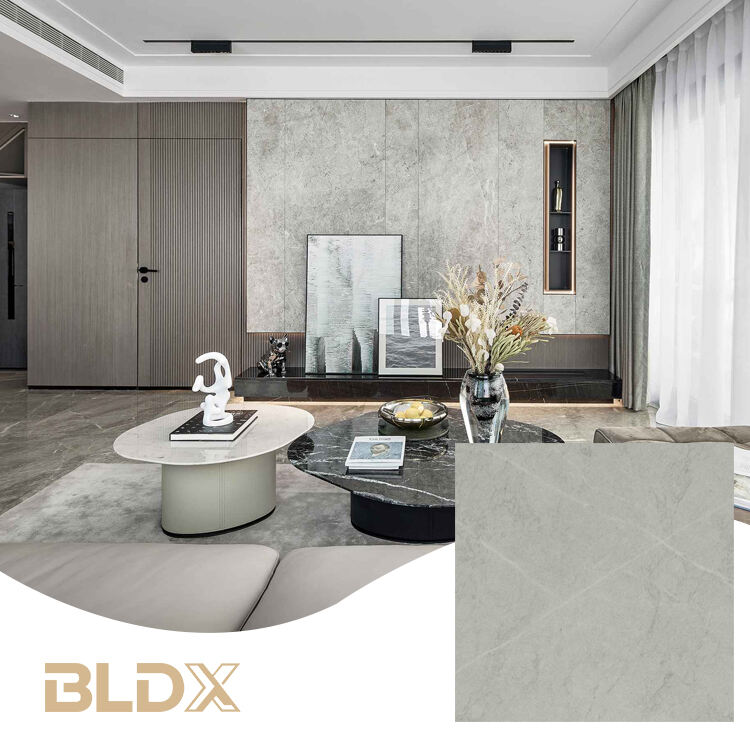
Contemporary waterproof wall panels offer extensive design flexibility through advanced surface printing technologies and textural variations that complement hospitality interior design themes. High-resolution digital printing capabilities allow waterproof wall panels to mimic natural materials including wood grains, stone textures, and fabric patterns while providing superior performance characteristics. These aesthetic options enable designers to achieve desired visual effects without sacrificing functional requirements.
Color stability and fade resistance are critical considerations for waterproof wall panels in coastal applications where UV exposure through windows can affect interior finishes. Quality panel systems incorporate UV-stable colorants and protective surface treatments that maintain appearance consistency throughout the product lifecycle. This long-term color stability helps hotels avoid premature renovation cycles driven by cosmetic deterioration rather than functional failures.
Customization Capabilities
Many waterproof wall panels manufacturers offer custom sizing and finishing options that accommodate unique architectural requirements in hospitality projects. Custom panel dimensions can reduce installation time and minimize joint locations that could potentially compromise moisture protection. Specialized edge treatments and transition details help waterproof wall panels integrate smoothly with other interior finishes while maintaining performance characteristics.
Branding opportunities through custom graphics and corporate identity elements can be incorporated into waterproof wall panels designs for hotels seeking to enhance guest experience through environmental graphics. Digital printing capabilities allow complex designs and photographic imagery to be permanently embedded in panel surfaces, creating unique visual experiences while maintaining the protective benefits that make waterproof wall panels essential for coastal applications.
Environmental Impact and Sustainability
Eco-Friendly Material Options
Sustainable waterproof wall panels manufactured from recycled materials and renewable resources address growing environmental concerns in the hospitality industry while delivering required performance characteristics. Bio-based polymer systems and recycled content options allow hotels to meet sustainability goals without compromising moisture protection capabilities. Life cycle assessment data demonstrates that durable waterproof wall panels often have lower environmental impact than frequently replaced traditional materials.
Indoor air quality benefits associated with waterproof wall panels include low-emission formulations and resistance to biological growth that can affect guest health and comfort. These panels contribute to healthier indoor environments while reducing the need for chemical treatments and frequent cleaning procedures that can impact air quality. Hotels pursuing green building certifications find that waterproof wall panels support multiple sustainability criteria including durability, indoor environmental quality, and material resource efficiency.
End-of-Life Considerations
Recyclable waterproof wall panels and take-back programs offered by some manufacturers provide responsible disposal options when renovation or demolition occurs. These programs help hotels manage construction waste while supporting circular economy principles. The extended service life of quality waterproof wall panels reduces the frequency of material replacement cycles, contributing to overall resource conservation goals.
Renovation flexibility offered by waterproof wall panels systems can extend building lifecycles by allowing interior updates without major structural modifications. This adaptability reduces the environmental impact of hospitality facility improvements while maintaining the protective benefits that make waterproof wall panels essential for coastal operations. Hotels can achieve both sustainability objectives and operational efficiency through strategic selection of advanced wall panel systems.
FAQ
How long do waterproof wall panels typically last in coastal hotel environments
Quality waterproof wall panels installed in coastal hotels typically provide 20-25 years of reliable service when properly maintained, significantly exceeding the lifespan of traditional wall treatments in marine environments. The actual service life depends on factors including panel quality, installation methods, and maintenance practices, but most manufacturers offer warranties of 10-15 years reflecting confidence in long-term performance capabilities.
Can waterproof wall panels be installed over existing wall surfaces
Many waterproof wall panels systems are designed for installation over existing wall surfaces, provided the substrate is structurally sound and properly prepared. This overlay capability can significantly reduce renovation costs and construction time while improving moisture protection. Professional assessment of existing conditions is essential to determine appropriate installation methods and ensure optimal performance outcomes.
What maintenance is required for waterproof wall panels in hospitality applications
Waterproof wall panels require minimal maintenance consisting primarily of periodic cleaning with approved detergents and inspection of joint sealing systems. Most panels can be cleaned with standard commercial cleaning products without special procedures or equipment. Annual inspection of panel joints and penetration seals helps identify potential maintenance needs before they compromise system performance.
Are waterproof wall panels suitable for high-traffic areas like hotel lobbies
High-performance waterproof wall panels are excellent choices for high-traffic hospitality areas including lobbies, corridors, and public spaces where durability and appearance retention are critical. Impact-resistant formulations and scratch-resistant surface treatments ensure that panels maintain their appearance despite heavy use. The combination of moisture protection and mechanical durability makes these systems ideal for demanding commercial applications.
Table of Contents
- Understanding Coastal Environmental Challenges
- Performance Advantages of Modern Wall Panel Systems
- Cost-Effectiveness and ROI Analysis
- Installation Best Practices for Hospitality Applications
- Aesthetic Considerations and Design Flexibility
- Environmental Impact and Sustainability
-
FAQ
- How long do waterproof wall panels typically last in coastal hotel environments
- Can waterproof wall panels be installed over existing wall surfaces
- What maintenance is required for waterproof wall panels in hospitality applications
- Are waterproof wall panels suitable for high-traffic areas like hotel lobbies