
 EN
EN

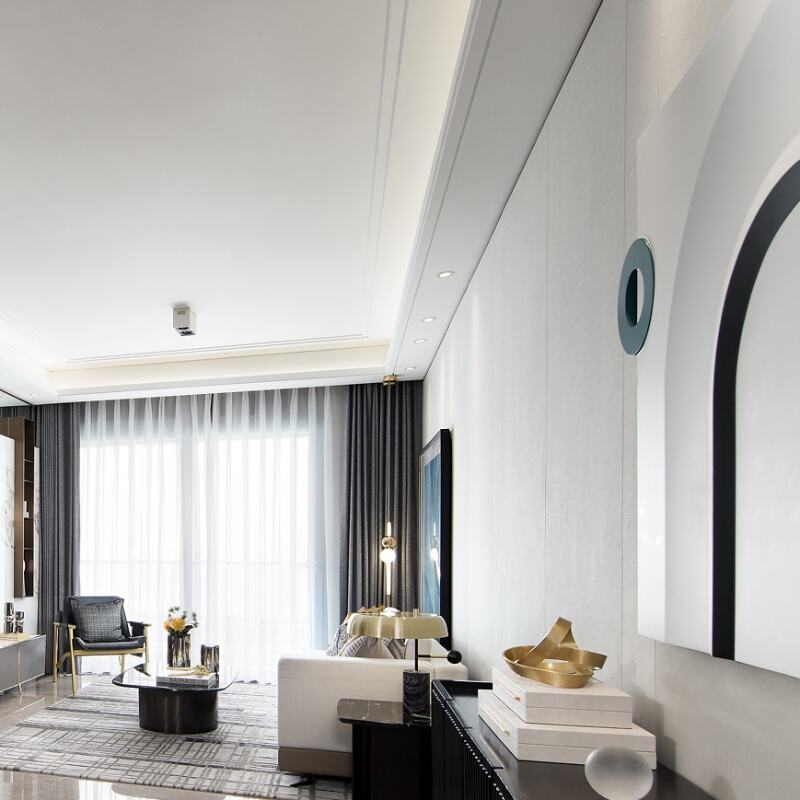
Creating a sophisticated and elegant exterior for your property has never been more achievable than with modern stone effect paint technologies. This innovative coating solution allows homeowners and commercial property developers to transform ordinary walls into stunning facades that mimic the natural beauty of authentic stone materials. Stone effect paint offers an exceptional alternative to traditional cladding methods, delivering remarkable visual impact while maintaining practical benefits such as weather resistance and long-term durability.
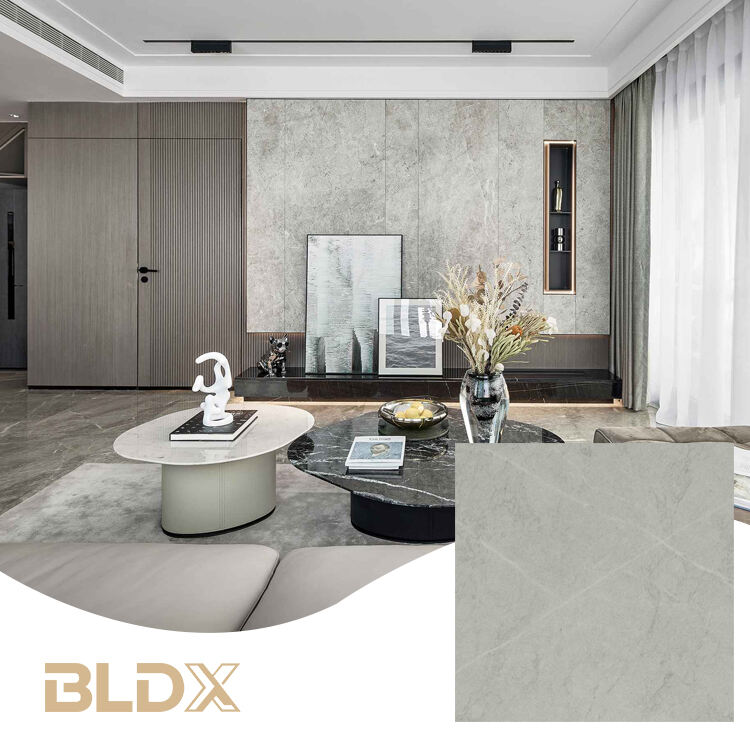
Understanding Stone Effect Paint Technology
Composition and Manufacturing Process
Modern stone effect paint combines advanced polymer resins with carefully selected mineral aggregates to create a textured coating that closely resembles natural stone surfaces. The manufacturing process involves precise blending of acrylic or silicone-based binders with crushed stone particles, mica flakes, and specialized pigments. These components work together to produce a finish that captures both the visual depth and tactile qualities of genuine stone materials. The result is a coating system that provides exceptional adhesion to various substrate materials while maintaining flexibility to accommodate thermal expansion and contraction cycles.
The texture profile of stone effect paint can be customized during production to match specific stone types, from smooth limestone appearances to more rugged granite textures. Quality manufacturers employ multi-stage grinding processes to achieve optimal particle size distribution, ensuring consistent coverage and authentic stone-like appearance. This technological approach allows for precise control over the final aesthetic outcome while maintaining the practical performance characteristics required for exterior applications.
Performance Characteristics
High-quality stone effect paint systems demonstrate superior weather resistance compared to conventional exterior coatings. The mineral composition provides natural UV stability, preventing color fading and maintaining visual appeal over extended periods. Additionally, the textured surface created by stone effect paint offers enhanced dirt resistance and self-cleaning properties when exposed to natural rainfall. This performance advantage translates to reduced maintenance requirements and longer intervals between recoating cycles.
Breathability represents another critical performance characteristic of premium stone effect paint formulations. The micro-porous structure allows moisture vapor transmission while preventing liquid water penetration, helping to maintain healthy wall conditions and preventing moisture-related deterioration. This balance between protection and breathability makes stone effect paint particularly suitable for both new construction and renovation projects on various substrate types.
Surface Preparation Techniques
Substrate Assessment and Cleaning
Achieving professional results with stone effect paint requires meticulous surface preparation beginning with comprehensive substrate assessment. The existing wall surface must be evaluated for structural integrity, moisture content, and compatibility with the chosen coating system. Any loose or flaking materials should be removed through appropriate mechanical methods, while contamination such as algae, mold, or efflorescence must be thoroughly eliminated using suitable cleaning solutions.
Power washing represents an effective method for removing surface contamination and loose debris, but proper technique and timing are essential. The substrate must be allowed to dry completely before proceeding with primer application, typically requiring 24 to 48 hours depending on weather conditions and substrate porosity. During this period, any identified defects such as cracks or surface irregularities should be addressed using appropriate repair materials compatible with the stone effect paint system.
Priming and Base Coat Application
Proper primer selection plays a crucial role in ensuring optimal adhesion and long-term performance of stone effect paint applications. The primer must be specifically formulated to bond effectively with both the substrate material and the stone effect coating system. For masonry substrates, alkaline-resistant primers are typically required to prevent saponification and ensure coating stability. The primer application should achieve uniform coverage without runs or sags, creating an ideal foundation for the decorative topcoat.
Base coat application techniques vary depending on the specific stone effect paint formulation and desired texture profile. Some systems require a smooth base coat to provide color uniformity, while others benefit from textured base applications that enhance the final stone-like appearance. Application tools and techniques must be selected to match the manufacturer specifications, ensuring optimal film thickness and texture development throughout the coating process.
Application Methods and Techniques
Tool Selection and Setup
Professional application of stone effect paint requires specialized tools designed to handle the unique characteristics of textured coating systems. Heavy-duty rollers with appropriate nap lengths are essential for achieving uniform coverage while maintaining the desired texture profile. Spray application equipment must be configured with suitable tip sizes and pressure settings to accommodate the higher viscosity and particle content typical of stone effect paint formulations.
Brush selection becomes critical when working around architectural details or performing touch-up operations. Natural bristle brushes often provide superior performance with textured coatings, offering better material retention and release characteristics compared to synthetic alternatives. Trowels and specialty texture tools may also be required for certain application techniques designed to enhance the stone effect paint appearance through additional surface manipulation.
Weather Considerations and Timing
Environmental conditions significantly impact the application and curing characteristics of stone effect paint systems. Temperature ranges typically must be maintained between 10°C and 30°C during application and initial curing phases to ensure proper film formation. High humidity levels can extend drying times and potentially affect texture development, while excessive wind conditions may cause premature skinning or contamination of the wet coating surface.
Timing coordination becomes particularly important for large facade projects where maintaining wet edge continuity is essential for achieving uniform appearance. Planning application sequences to work with natural shade patterns and temperature variations helps optimize working conditions and minimize visible lap marks or texture inconsistencies. Weather monitoring and flexible scheduling allow professional applicators to maximize productivity while ensuring optimal stone effect paint performance.
Color and Texture Customization
Natural Stone Replication
Achieving authentic natural stone appearance requires careful study of the geological characteristics and color variations present in real stone materials. Professional color matching involves analyzing the primary base colors, secondary accent tones, and subtle variations that create the visual depth associated with natural stone surfaces. Stone effect paint systems can be customized to replicate specific stone types including limestone, sandstone, granite, and slate through careful pigment selection and application techniques.
Advanced color development techniques involve layering multiple stone effect paint applications to build visual complexity and depth. Base colors provide the primary stone appearance while subsequent applications of contrasting or complementary tones add realistic variation and highlight effects. This multi-layer approach requires precise timing and technique to achieve seamless blending and natural-looking color transitions throughout the facade surface.
Architectural Integration
Successful stone effect paint applications consider the overall architectural context and surrounding environment when selecting colors and textures. The coating should complement existing materials such as roofing, windows, and landscaping elements while enhancing the building's design intent. Regional architectural styles and local stone types often provide inspiration for appropriate color palettes and texture selections that ensure harmonious integration with the surrounding built environment.
Contemporary architectural applications of stone effect paint frequently incorporate geometric patterns or color blocking techniques to create striking visual effects while maintaining the sophisticated appearance of natural stone materials. These design approaches require precise masking and application techniques to achieve clean lines and consistent texture quality across different color zones. Professional planning and execution ensure that creative design elements enhance rather than compromise the overall facade appearance.
Quality Control and Inspection
Application Monitoring
Maintaining consistent quality throughout stone effect paint application requires systematic monitoring and quality control procedures. Visual inspection during application helps identify potential issues such as uneven coverage, texture inconsistencies, or color variations before they become permanent defects. Regular evaluation of wet film thickness using appropriate gauges ensures adequate material application rates and helps predict final appearance characteristics.
Documentation of application conditions including temperature, humidity, and substrate conditions provides valuable reference information for troubleshooting and future maintenance planning. Photographic records of work progress and completed sections help identify successful techniques and areas requiring attention during final inspection phases. This systematic approach to quality control ensures that stone effect paint applications meet both aesthetic expectations and performance requirements.
Final Inspection Procedures
Comprehensive final inspection involves detailed examination of the completed stone effect paint application under various lighting conditions to identify any defects or inconsistencies requiring correction. Color uniformity, texture consistency, and overall coverage quality should be evaluated systematically across the entire facade surface. Special attention should be paid to transition areas, architectural details, and areas subject to different application conditions during the coating process.
Performance testing may include adhesion evaluation, water resistance assessment, and long-term durability predictions based on coating thickness measurements and visual appearance characteristics. Deficiencies identified during final inspection should be documented and corrected using appropriate touch-up procedures that maintain consistency with the surrounding stone effect paint application. This thorough inspection process ensures that the completed project meets professional standards and client expectations.
Maintenance and Longevity
Preventive Maintenance Strategies
Maximizing the service life of stone effect paint applications requires implementation of appropriate preventive maintenance strategies tailored to local environmental conditions and exposure factors. Regular inspection schedules should be established to monitor coating condition and identify potential issues before they require major corrective actions. Annual visual assessments help track performance trends and guide maintenance planning decisions.
Routine cleaning procedures help maintain the appearance and performance characteristics of stone effect paint surfaces while preventing accumulation of contaminants that could compromise coating integrity. Low-pressure washing techniques using mild cleaning solutions effectively remove surface deposits without damaging the textured coating surface. Timing of cleaning operations should consider seasonal weather patterns and building usage requirements to minimize disruption while maximizing effectiveness.
Repair and Restoration Techniques
When localized damage or wear occurs in stone effect paint applications, proper repair techniques ensure seamless integration with existing coating areas. Small defects can often be addressed through careful touch-up procedures using matching stone effect paint materials and appropriate application tools. Larger repair areas may require complete removal and reapplication to achieve acceptable appearance and performance characteristics.
Restoration projects involving extensive stone effect paint renewal should follow similar preparation and application procedures used in original installation while incorporating any lessons learned from the existing coating performance. Updated formulations and improved application techniques may offer enhanced performance characteristics while maintaining the desired aesthetic appearance. Professional assessment helps determine the most appropriate restoration approach based on existing conditions and performance requirements.
FAQ
How long does stone effect paint last on exterior facades
Quality stone effect paint applications typically provide 10 to 15 years of excellent performance on exterior facades when properly applied and maintained. The actual service life depends on factors including climate exposure, substrate preparation quality, and maintenance practices. Premium formulations with advanced polymer technology may extend this timeframe while providing enhanced weather resistance and color stability throughout the coating lifecycle.
Can stone effect paint be applied over existing exterior coatings
Stone effect paint can be successfully applied over compatible existing coatings provided the substrate is properly prepared and appropriate primer systems are used. The existing coating must be firmly bonded, clean, and free from defects that could compromise adhesion. Professional assessment of substrate conditions and compatibility testing help ensure successful outcomes when overcoating existing materials with stone effect paint systems.
What surface types are suitable for stone effect paint application
Stone effect paint performs excellently on various substrate types including concrete, masonry, cement render, and properly prepared drywall surfaces. The key requirement is a stable, clean substrate with appropriate porosity characteristics for optimal primer and coating adhesion. Some substrates may require specific primer systems or surface preparation techniques to ensure compatibility with stone effect paint formulations and achieve desired performance characteristics.
How does stone effect paint compare to natural stone cladding costs
Stone effect paint typically costs significantly less than natural stone cladding installation while providing similar aesthetic benefits and superior flexibility in design applications. The total project cost includes material expenses, application labor, and long-term maintenance considerations. Stone effect paint offers additional advantages including reduced structural loading requirements, faster installation timelines, and greater design flexibility compared to traditional stone cladding systems.