
 EN
EN


Modern workspaces and creative studios face an increasingly complex challenge: managing noise pollution while maintaining productivity and creativity. Whether you're running a bustling office environment or operating a professional recording studio, sound control has become essential for optimal performance. The strategic implementation of sound-absorbing materials can transform any space from acoustically chaotic to professionally refined, creating environments where concentration thrives and audio quality reaches professional standards. Understanding the comprehensive benefits of acoustic treatment solutions can help decision-makers make informed choices about their workspace acoustics.
Enhanced Sound Quality and Clarity
Reduction of Echo and Reverberation
Professional acoustic treatment significantly reduces unwanted echo and reverberation that naturally occurs in hard-surfaced environments. When sound waves bounce repeatedly off walls, ceilings, and floors, they create a muddy acoustic environment that makes speech difficult to understand and music less enjoyable. Quality sound-absorbing materials intercept these reflections, allowing for clearer communication and more accurate audio reproduction. This improvement becomes particularly noticeable during video conferences, presentations, or any situation requiring precise audio transmission.
The science behind reverberation control lies in the material composition and surface design of professional acoustic treatment. Porous materials absorb sound energy by converting it to small amounts of heat through friction within the material's structure. This process prevents sound waves from bouncing back into the room, creating a more controlled acoustic environment. The result is immediately apparent to anyone entering a properly treated space, as conversations become more intelligible and background noise becomes less intrusive.
Improved Speech Intelligibility
Clear communication forms the backbone of productive office environments and professional studios. Acoustic treatment dramatically improves speech intelligibility by reducing the acoustic interference that makes conversations difficult to follow. In untreated spaces, overlapping sound reflections create a phenomenon known as the cocktail party effect, where multiple conversations blend together into an incomprehensible mixture. Professional sound absorption eliminates much of this acoustic confusion, allowing individual voices to remain distinct and understandable.
This improvement in speech clarity directly translates to enhanced meeting effectiveness, reduced miscommunication, and increased overall productivity. Employees spend less energy straining to understand colleagues, resulting in reduced fatigue and improved job satisfaction. For recording studios, crystal-clear speech intelligibility becomes essential for voice-over work, podcasting, and any spoken word recording applications.
Productivity and Concentration Benefits
Reduced Distractions and Noise Pollution
Open office environments often struggle with noise-related distractions that significantly impact employee concentration and productivity. Research consistently demonstrates that excessive noise levels can reduce cognitive performance by up to thirty percent, making acoustic treatment a critical investment for any organization serious about maximizing human potential. Professional sound-absorbing solutions create quieter work environments by reducing both direct noise transmission and the accumulation of ambient sound that builds throughout the day.
The cumulative effect of reduced noise pollution extends beyond immediate productivity gains. Employees working in acoustically treated environments report lower stress levels, improved job satisfaction, and enhanced ability to engage in complex problem-solving tasks. This creates a positive feedback loop where better acoustics lead to improved performance, which in turn supports business success and employee retention.
Enhanced Focus and Mental Clarity
Cognitive research reveals that consistent background noise forces the brain to work harder to filter relevant information from acoustic distractions. When workspaces receive proper acoustic treatment, employees experience improved mental clarity and sustained focus periods. The reduction in cognitive load allows workers to channel their mental energy toward productive tasks rather than unconsciously processing ambient noise pollution. This enhancement becomes particularly valuable for tasks requiring deep concentration, creative thinking, or detailed analysis.
Professional studios benefit even more dramatically from enhanced focus capabilities. Musicians, engineers, and producers require absolute concentration to make critical creative decisions and technical adjustments. Acoustic treatment creates an environment where subtle audio details become clearly audible, enabling more precise artistic and technical work. The resulting improvement in work quality often justifies acoustic treatment investments within the first few projects completed in the upgraded space.
Health and Wellness Advantages
Stress Reduction and Mental Well-being
Chronic exposure to excessive noise levels triggers physiological stress responses that can negatively impact employee health and well-being over time. Elevated cortisol levels, increased heart rate, and heightened anxiety are common responses to persistent noise pollution in workplace environments. Strategic acoustic treatment helps create calmer, more peaceful workspaces that support mental health and reduce stress-related health problems. Employees working in acoustically optimized environments often report improved sleep quality, reduced headaches, and lower overall stress levels.
The psychological benefits of improved acoustics extend to enhanced creativity and innovation. When employees feel comfortable and unstressed in their work environment, they become more willing to take creative risks, collaborate effectively, and contribute innovative ideas. This positive environmental influence can transform workplace culture and contribute to improved business outcomes across multiple metrics.
Prevention of Hearing Damage
Long-term exposure to elevated noise levels can contribute to gradual hearing loss and tinnitus, making acoustic treatment an important preventive health measure. Professional sound-absorbing materials help maintain noise levels within safe ranges recommended by occupational health guidelines. This protection becomes particularly important in environments where multiple people work in close proximity, where equipment generates consistent noise, or where audio playback occurs regularly throughout the workday.
For professional audio environments, hearing protection takes on even greater significance. Musicians, audio engineers, and producers rely on their hearing for their livelihood, making acoustic treatment an essential career investment. Proper room acoustics allow for accurate monitoring at lower volume levels, reducing the risk of hearing damage while improving the quality of creative and technical work.
Professional Aesthetic and Design Benefits
Modern Interior Design Integration
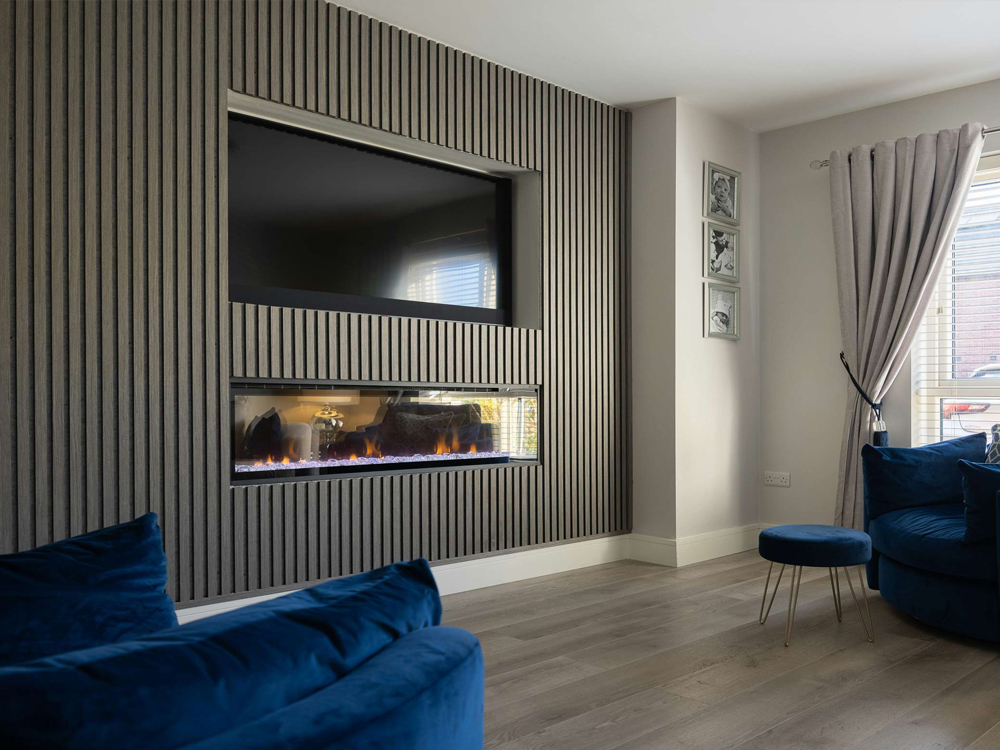
Contemporary Acoustic Panel solutions offer sophisticated design options that enhance rather than compromise interior aesthetics. Modern manufacturing techniques allow for customizable colors, patterns, textures, and shapes that complement existing décor while providing superior acoustic performance. This integration capability means that acoustic treatment can serve dual purposes, improving both sound quality and visual appeal simultaneously.
Professional designers increasingly recommend acoustic treatment as an essential element of comprehensive interior design strategies. Rather than viewing sound absorption as a technical afterthought, forward-thinking designers incorporate acoustic elements as integral design features that contribute to the overall aesthetic vision. This approach creates spaces that are both visually stunning and acoustically superior, providing maximum value for design investments.
Increased Property Value and Appeal
Properties featuring professional acoustic treatment often command higher market values and attract more interest from potential buyers or tenants. Commercial real estate professionals recognize that acoustically optimized spaces provide competitive advantages that justify premium pricing. This increased value applies to both office environments and specialized creative spaces, where acoustic quality directly impacts the potential uses and revenue-generating capabilities of the property.
The installation of high-quality acoustic treatment demonstrates attention to detail and commitment to creating optimal work environments. This attention to acoustic comfort signals to potential occupants that the space has been thoughtfully designed with user experience as a priority, making it more attractive in competitive real estate markets.
Energy Efficiency and Environmental Benefits
Improved HVAC System Performance
Professional acoustic treatment can contribute to improved energy efficiency by reducing the acoustic transmission that forces HVAC systems to work harder to overcome noise-related comfort issues. Sound-absorbing materials help create more comfortable acoustic environments, potentially reducing the need for white noise generation or sound masking systems that consume additional energy. This efficiency improvement can contribute to lower operating costs and reduced environmental impact over time.
Additionally, many modern acoustic treatment materials incorporate sustainable manufacturing processes and recyclable materials, supporting broader environmental responsibility initiatives. Organizations seeking LEED certification or other environmental performance standards often find that acoustic treatment contributes positively to their overall sustainability metrics while providing immediate functional benefits.
Sustainable Material Options
The acoustic treatment industry has embraced sustainable manufacturing practices, offering products made from recycled materials, rapidly renewable resources, and low-emission manufacturing processes. These environmentally responsible options allow organizations to improve their acoustic environments while supporting sustainability goals and reducing their overall environmental footprint. Many acoustic products now carry environmental certifications that verify their contribution to green building standards.
Sustainable acoustic solutions often provide additional benefits including improved indoor air quality, reduced off-gassing, and longer product lifecycles that reduce replacement frequency. These advantages create long-term value that extends beyond immediate acoustic performance improvements, supporting comprehensive environmental stewardship initiatives.
Cost-Effectiveness and Return on Investment
Long-term Financial Benefits
While acoustic treatment requires upfront investment, the long-term financial benefits often far exceed initial costs. Improved employee productivity, reduced turnover, enhanced creative output, and increased property values combine to create substantial return on investment over time. Many organizations discover that acoustic improvements pay for themselves within the first year through measurable improvements in operational efficiency and employee performance.
Professional studios experience even more direct financial benefits from acoustic treatment investments. Superior room acoustics enable more accurate monitoring, faster mix completion, and higher-quality finished products that command premium pricing. These improvements often translate to increased client satisfaction, repeat business, and referral opportunities that multiply the initial acoustic investment returns.
Reduced Operational Disruptions
Acoustic treatment significantly reduces the operational disruptions caused by noise conflicts between different activities within shared spaces. This reduction in conflicts eliminates the productivity losses associated with noise complaints, workspace reorganization, and scheduling limitations imposed by acoustic incompatibilities. The resulting operational efficiency creates ongoing value that compounds over time, making acoustic treatment one of the most cost-effective workplace improvements available.
For businesses operating in mixed-use buildings or shared facilities, acoustic treatment can eliminate costly relocations or lease modifications necessitated by noise problems. This stability provides predictable occupancy costs and eliminates the significant expenses associated with business disruptions and relocations.
FAQ
How much acoustic treatment do I need for my office space
The amount of acoustic treatment required depends on room size, ceiling height, surface materials, and intended use. Generally, covering 25-40% of wall surface area with quality acoustic panels provides significant improvement for most office environments. Professional acoustic consultation can provide precise recommendations based on specific room characteristics and performance goals, ensuring optimal results while avoiding over-treatment or under-treatment issues.
Can acoustic panels be installed without professional help
Many modern acoustic panel systems feature user-friendly installation methods that allow for DIY installation with basic tools and skills. However, professional installation ensures optimal placement for maximum acoustic benefit and proper mounting that prevents long-term maintenance issues. Complex installations or those requiring precise acoustic calculations benefit significantly from professional expertise to achieve desired performance outcomes.
How do I choose the right acoustic panel type for my space
Acoustic panel selection should consider room size, primary noise issues, aesthetic preferences, budget constraints, and performance requirements. Absorption coefficients, frequency response characteristics, and mounting options vary significantly between products. Consulting with acoustic professionals or reviewing detailed product specifications helps ensure selection of panels that address specific acoustic challenges while meeting design and budget requirements.
Will acoustic treatment completely eliminate all noise problems
Acoustic treatment significantly reduces noise problems but rarely eliminates them entirely, especially noise transmission between adjacent spaces. Treatment effectiveness depends on installation quality, coverage area, product selection, and the specific nature of noise issues. Realistic expectations focus on substantial improvement in acoustic comfort and functionality rather than complete noise elimination, which typically requires more comprehensive architectural modifications.