
 EN
EN

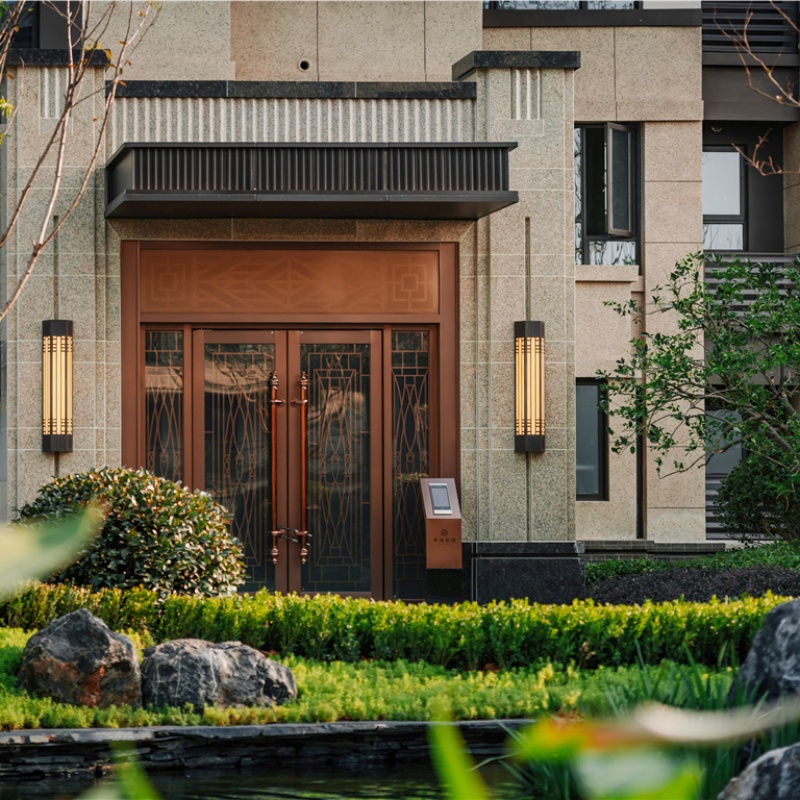
Creating stunning stone-like finishes in your home has never been more accessible thanks to modern stone texture paint techniques. This versatile decorative solution allows homeowners and professionals to achieve the natural beauty of stone surfaces without the weight, cost, or installation complexity of actual stone materials. Whether you're looking to transform an accent wall, fireplace surround, or entire room, mastering these techniques will elevate your interior design projects to professional standards.
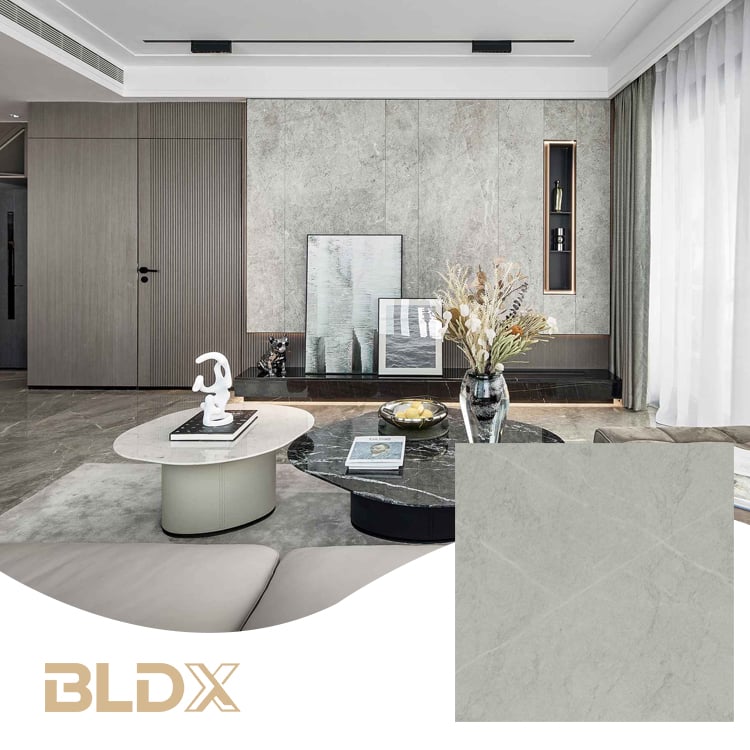
Understanding Stone Texture Paint Fundamentals
Composition and Properties
Stone texture paint combines specialized additives with traditional paint bases to create dimensional surfaces that mimic natural stone characteristics. These formulations typically include fine aggregates, mica particles, and binding agents that work together to produce realistic texture variations. The paint's viscosity remains workable while maintaining enough body to hold dimensional patterns during application. Understanding these properties helps predict how the material will behave during different application techniques and environmental conditions.
The durability of stone texture paint depends largely on the quality of base materials and proper surface preparation. High-quality formulations resist cracking, fading, and moisture penetration while maintaining their textural integrity over time. Most professional-grade products offer excellent adhesion to various substrates including drywall, concrete, wood, and previously painted surfaces when properly prepared.
Types and Variations
Different stone texture paint formulations produce distinct visual effects ranging from smooth river rock appearances to rough fieldstone textures. Water-based versions offer easier cleanup and lower odor levels, making them ideal for interior applications. Solvent-based alternatives provide enhanced durability and weather resistance for exterior projects. Specialized formulations include options for specific stone types such as granite, limestone, sandstone, and slate finishes.
Color variations within stone texture paint systems allow for realistic replication of natural stone coloration patterns. Multi-tone applications using complementary base colors create depth and visual interest that closely resembles authentic stone surfaces. Some manufacturers offer complete systems including base coats, texture coats, and protective topcoats designed to work together seamlessly.
Essential Tools and Materials
Application Equipment
Successful stone texture paint application requires specific tools designed to create and manipulate textural patterns effectively. Natural sea sponges provide organic texture variations when pressed and rolled across wet paint surfaces. Synthetic alternatives offer more consistent patterns but may appear less natural. Specialty brushes including stippling brushes, chip brushes, and artist's brushes help create fine detail work and blend color transitions smoothly.
Trowels and palette knives enable direct texture creation through sculpting and carving techniques. Plastic wrap, cheesecloth, and textured rollers serve as alternative texturing tools for specific effects. Quality brushes in various sizes ensure smooth application of base coats and allow precise control during detail work. Having multiple tools available provides flexibility to adjust techniques as patterns develop.
Surface Preparation Materials
Proper surface preparation forms the foundation for successful stone texture paint applications. High-quality primers designed for textured finishes ensure optimal adhesion and prevent absorption issues that could affect final appearance. Sandpaper in various grits helps smooth imperfections and create proper surface tooth for paint adhesion. Cleaning supplies including degreasing agents and tack cloths remove contaminants that might interfere with paint bonding.
Masking materials protect adjacent surfaces during application and cleanup phases. Plastic sheeting covers floors and furniture while painter's tape creates clean edge lines. Drop cloths specifically designed for textured paint projects resist penetration and provide stable work surfaces. Investment in quality preparation materials prevents common problems and ensures professional results.
Surface Preparation Techniques
Cleaning and Repair
Thorough surface cleaning removes dirt, grease, and loose material that could compromise paint adhesion. Start with gentle detergent solutions for general cleaning, progressing to stronger degreasers for stubborn contamination. Allow surfaces to dry completely before proceeding with additional preparation steps. Small holes, cracks, and imperfections require filling with appropriate patching compounds that accept textured finishes well.
Existing paint conditions determine whether removal or direct application over previous coats works best. Glossy surfaces need sanding or chemical etching to provide proper adhesion. Peeling or flaking paint must be completely removed to prevent future failure. Test patches help determine compatibility between existing finishes and new stone texture paint applications.
Priming and Base Preparation
Quality primers specifically formulated for textured applications create uniform surfaces that promote even paint absorption and adhesion. Apply primer in thin, even coats using appropriate tools for the surface type and size. Allow complete curing between primer and paint application according to manufacturer specifications. Some stone texture paint systems include integrated primer properties, eliminating separate priming steps.
Base coat color selection significantly impacts final appearance since texture variations may allow underlying colors to show through. Neutral base colors provide versatility for various stone effects while specific tints can enhance particular stone types. Consider lighting conditions and surrounding colors when selecting base coat shades to ensure harmonious integration with existing decor elements.
Application Methods and Techniques
Basic Application Procedures
Begin stone texture paint application by working in manageable sections to maintain wet edges and consistent texture patterns. Apply base coats evenly using brushes or rollers appropriate for the surface type and texture level desired. Work systematically across surfaces to avoid obvious seam lines or pattern interruptions. Maintain consistent pressure and movement speed to ensure uniform coverage and texture distribution.
Timing plays a crucial role in texture development since working time varies with environmental conditions and paint formulation. Monitor paint consistency throughout application, adjusting technique as material begins to set. Some effects require working while paint remains wet and malleable, while others develop better as paint begins to firm up slightly.
Advanced Texturing Techniques
Layered application methods create complex stone appearances through multiple paint applications with different tools and techniques. Start with base texture patterns using primary tools, then add secondary details with smaller implements. Color washing and glazing techniques enhance dimensional effects by adding depth and shadow patterns that mimic natural stone formations.
Blending multiple colors while paint remains workable creates realistic stone coloration variations. Use complementary color combinations and vary application pressure to achieve natural-looking transitions. Practice techniques on sample boards before applying to final surfaces to develop confidence and refine approaches. Document successful combinations and techniques for future reference and consistency across large projects.
Color Techniques and Effects
Natural Stone Color Replication
Achieving authentic stone coloration requires understanding how natural stones develop their characteristic color patterns and variations. Study reference materials including photographs and actual stone samples to identify key color components and distribution patterns. Most natural stones contain multiple color elements ranging from dominant base tones to subtle accent highlights and shadow areas.
Build stone texture paint color schemes using base colors that represent the primary stone tone, complemented by lighter and darker variations for highlights and shadows. Apply base colors first, then work in additional tones while paint remains workable. Subtle color variations appear more natural than dramatic contrasts, so exercise restraint when adding accent colors.
Custom Color Mixing
Creating custom stone texture paint colors allows perfect matching to specific design requirements or existing architectural elements. Start with manufacturer color charts and standard formulations, then modify as needed using compatible tinting materials. Mix sufficient quantities for complete project coverage since exact color matching can be difficult to reproduce later.
Test color combinations on sample surfaces under actual lighting conditions before committing to large areas. Different lighting types and intensities significantly affect color appearance, particularly with textured surfaces that create natural shadow patterns. Document successful color formulations with detailed mixing notes for future reference and touch-up requirements.
Troubleshooting Common Issues
Application Problems
Uneven texture distribution often results from inconsistent application pressure or timing issues during the working phase. Maintain steady hand pressure and movement speed throughout application processes. Work in appropriately sized sections that can be completed before paint begins to set beyond workable consistency. Environmental factors including temperature and humidity affect working time and may require technique adjustments.
Paint buildup in certain areas creates unwanted texture variations that detract from natural stone appearance. Monitor paint thickness during application and adjust technique to maintain consistent coverage. Remove excess material promptly while paint remains workable, then blend surrounding areas to maintain pattern continuity. Prevention through proper technique proves more effective than correction after paint has set.
Finish Quality Issues
Poor adhesion manifests as peeling, flaking, or easy removal of dried paint films. This typically indicates inadequate surface preparation or incompatible primer selection. Address adhesion problems by removing affected areas, improving surface preparation, and reapplying with appropriate primers. Allow adequate curing time between preparation steps and final paint application.
Color variations beyond intended design parameters may result from uneven base coat application or contamination during mixing phases. Maintain consistent mixing procedures and clean tools between color applications. When corrections become necessary, blend problem areas carefully with surrounding materials while maintaining overall pattern integrity. Touch-up work requires matching both color and texture characteristics of surrounding areas.
Maintenance and Longevity
Protective Measures
Proper maintenance extends the life and appearance of stone texture paint finishes significantly. Regular cleaning with appropriate methods removes accumulated dirt and prevents staining without damaging texture patterns. Use soft brushes and gentle cleaning solutions to avoid abrading textured surfaces. High-traffic areas may require more frequent attention to maintain optimal appearance.
Protective coatings enhance durability and simplify maintenance requirements for stone texture paint applications. Clear protective finishes resist moisture penetration, staining, and general wear while preserving texture definition. Select protective products compatible with specific paint formulations to avoid compatibility issues or appearance changes. Apply protective coatings according to manufacturer recommendations for optimal performance.
Repair and Touch-up Procedures
Small damage areas require careful matching of both color and texture characteristics during repair procedures. Keep detailed records of original paint formulations and application techniques for accurate reproduction during maintenance work. Practice repair techniques on sample areas before working on visible surfaces to ensure satisfactory results.
Larger repair areas may require complete section refinishing to achieve seamless integration with surrounding surfaces. Plan repair work during appropriate weather conditions and allow adequate curing time before returning areas to service. Professional consultation may prove beneficial for extensive repair projects or when original application techniques cannot be accurately reproduced through available resources.
FAQ
How long does stone texture paint take to fully cure
Stone texture paint typically requires 24 to 48 hours for initial drying, but full cure time extends to 7-14 days depending on environmental conditions and paint thickness. Temperature and humidity levels significantly affect curing rates, with cooler temperatures and higher humidity extending cure times. Avoid heavy use or cleaning during the initial cure period to prevent damage to developing paint films. Full durability and resistance properties develop only after complete curing.
Can stone texture paint be applied over existing wallpaper
Applying stone texture paint directly over wallpaper is not recommended due to adhesion and moisture concerns. Wallpaper adhesives may fail under the weight and moisture content of textured paint applications. Remove existing wallpaper completely and prepare surfaces properly before applying stone texture paint. If wallpaper removal proves difficult, consider professional assistance to ensure proper surface preparation for optimal results.
What is the coverage rate for stone texture paint
Coverage rates for stone texture paint vary significantly based on application method, surface porosity, and desired texture depth. Typical coverage ranges from 80 to 150 square feet per gallon for single coat applications. Heavy texture applications reduce coverage rates while lighter applications increase coverage. Calculate material requirements conservatively and order additional quantities for touch-ups and future maintenance needs.
Is stone texture paint suitable for bathroom applications
Stone texture paint can work in bathroom environments when properly formulated and protected against moisture exposure. Use moisture-resistant formulations designed for high-humidity applications and apply appropriate protective topcoats. Ensure adequate ventilation to minimize moisture accumulation on painted surfaces. Consider applying stone texture paint to accent walls rather than shower surrounds where direct water exposure occurs frequently.