
 EN
EN

Transform Your Bathroom with Modern Shower Solutions
The evolution of bathroom design has brought forward innovative solutions that combine aesthetics with practicality, and pvc shower wall panels stand at the forefront of this transformation. These versatile panels have revolutionized how homeowners approach bathroom renovations, offering a perfect blend of style, durability, and cost-effectiveness. As more people seek alternatives to traditional tiling, PVC panels have emerged as a leading choice for modern bathroom makeovers.
Whether you're planning a complete bathroom overhaul or simply updating your shower space, understanding the ins and outs of pvc shower wall panels can help you make an informed decision. From their impressive durability to their easy maintenance requirements, these panels offer numerous advantages that make them an attractive option for both residential and commercial applications.
Understanding PVC Shower Panel Basics
Material Composition and Manufacturing
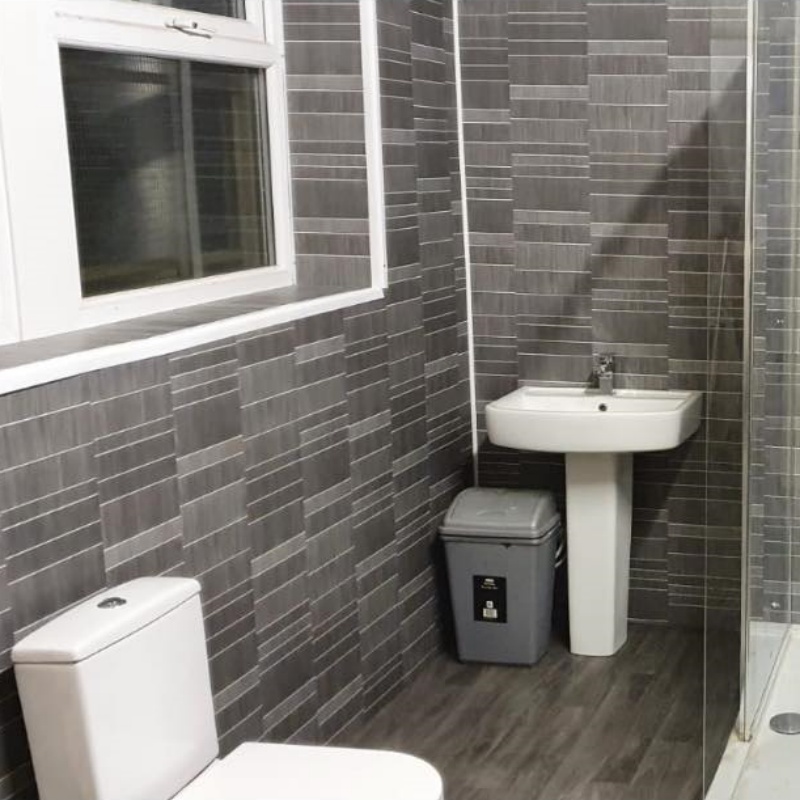
PVC shower wall panels are crafted from high-grade polyvinyl chloride, engineered specifically for bathroom environments. The manufacturing process involves combining PVC resin with stabilizers, impact modifiers, and other additives to create panels that resist moisture, chemicals, and daily wear. This sophisticated composition ensures that the panels maintain their appearance and structural integrity even under constant exposure to water and temperature variations.
The panels undergo rigorous quality control processes, including testing for water resistance, impact strength, and color fastness. Modern manufacturing techniques allow for the creation of panels with various textures and patterns, mimicking natural materials like stone, marble, or tile while retaining the practical benefits of PVC.
Design Options and Aesthetics
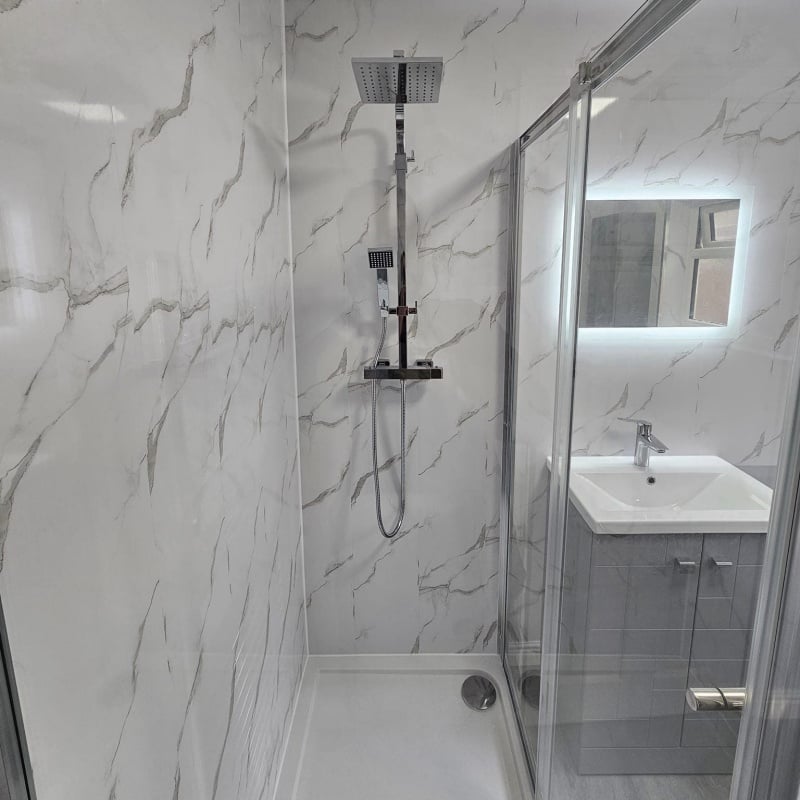
Today's pvc shower wall panels come in an extensive range of designs, colors, and finishes to suit any bathroom décor. From sleek, contemporary solid colors to classic marble patterns, the possibilities are virtually endless. Manufacturers utilize advanced printing technologies to create authentic-looking textures and patterns that can transform your shower space into a luxurious retreat.
The panels can be manufactured with different surface finishes, including matte, glossy, or textured options. This variety allows homeowners to achieve their desired aesthetic while maintaining the practical benefits of PVC materials. Many designs also incorporate subtle details like grout lines or natural stone variations for an even more realistic appearance.
Installation and Maintenance Benefits
Streamlined Installation Process
One of the most significant advantages of pvc shower wall panels is their straightforward installation process. Unlike traditional tiles that require extensive preparation, grouting, and specialized skills, these panels can often be installed directly over existing surfaces. The panels typically come in large sections that cover more area quickly, reducing installation time and labor costs significantly.
Professional installers can usually complete a shower enclosure in a single day, compared to several days for traditional tiling. The panels can be cut to size using standard tools, and many systems feature interlocking designs that ensure watertight seams without complicated sealing processes.
Long-term Care Requirements
Maintaining pvc shower wall panels is remarkably simple compared to traditional bathroom surfaces. The non-porous surface prevents mold and mildew growth, while the seamless installation eliminates grout lines that typically require regular cleaning and resealing. Daily maintenance involves simply wiping down the panels with a mild cleaner and soft cloth.
The durable nature of PVC means these panels resist staining, scratching, and fading, maintaining their appearance for years with minimal effort. Unlike natural stone or tile that may require periodic sealing or grout replacement, PVC panels remain pristine with basic care routines.
Cost Analysis and Value Proposition
Initial Investment Considerations
The cost of pvc shower wall panels varies depending on size, design, and quality, but they generally represent excellent value compared to traditional materials. While premium panels might have a higher upfront cost than basic ceramic tiles, they often prove more economical when considering installation expenses and long-term maintenance savings.
A complete shower system typically includes the panels, trim pieces, and necessary installation materials. When calculating costs, it's important to consider that these panels often eliminate the need for additional waterproofing measures and can sometimes be installed without removing existing wall surfaces, further reducing overall project expenses.
Long-term Financial Benefits
The durability and low maintenance requirements of pvc shower wall panels translate into significant long-term savings. These panels resist water damage, preventing costly repairs associated with moisture penetration and mold remediation. Their color stability and scratch resistance mean they maintain their appearance without requiring replacement or refinishing.
Energy efficiency is another consideration, as these panels can provide additional insulation to your shower area. This can contribute to lower heating costs and improved comfort. The panels' longevity, combined with minimal maintenance expenses, makes them a cost-effective solution for bathroom renovations.
Environmental Impact and Sustainability
Manufacturing Sustainability
Modern pvc shower wall panel production increasingly emphasizes environmental responsibility. Manufacturers are adopting more sustainable practices, including using recycled materials and implementing energy-efficient production processes. Many panels are now made with eco-friendly additives and can be recycled at the end of their lifecycle.
The durability of these panels also contributes to their environmental profile, as their long lifespan reduces the need for replacement and minimizes construction waste. Additionally, the manufacturing process typically requires less energy and water compared to traditional ceramic tile production.
Lifecycle Considerations
The extended lifespan of pvc shower wall panels contributes to their environmental sustainability. Their resistance to water damage and deterioration means fewer replacements over time, reducing the overall environmental impact of bathroom renovations. The panels' easy maintenance requirements also minimize the use of harsh cleaning chemicals that can affect water systems.
When properly installed, these panels can improve a bathroom's energy efficiency by providing additional insulation. This can lead to reduced energy consumption for heating and cooling, supporting overall environmental sustainability goals.
Frequently Asked Questions
How long do PVC shower wall panels typically last?
With proper installation and maintenance, pvc shower wall panels can last 15-20 years or more. Their durability and resistance to water damage, staining, and daily wear contribute to their impressive longevity, making them a reliable long-term investment for bathroom renovations.
Can PVC shower panels be installed over existing tiles?
Yes, in many cases, pvc shower wall panels can be installed directly over existing tile surfaces, provided the tiles are firmly attached and the wall is structurally sound. This can significantly reduce renovation time and costs by eliminating the need for tile removal.
What makes PVC panels different from other shower wall materials?
PVC shower wall panels distinguish themselves through their combination of water resistance, easy maintenance, versatile design options, and cost-effectiveness. Unlike traditional materials, they don't require grout, are naturally mold-resistant, and can be installed quickly with minimal specialized tools or skills.
How do you clean and maintain PVC shower panels?
Maintaining pvc shower wall panels is straightforward and requires only regular cleaning with mild soap and water or a non-abrasive bathroom cleaner. Avoid using harsh scrubbers or abrasive cleaners that could scratch the surface. A soft cloth or sponge is all that's needed to keep the panels looking new.