
 EN
EN

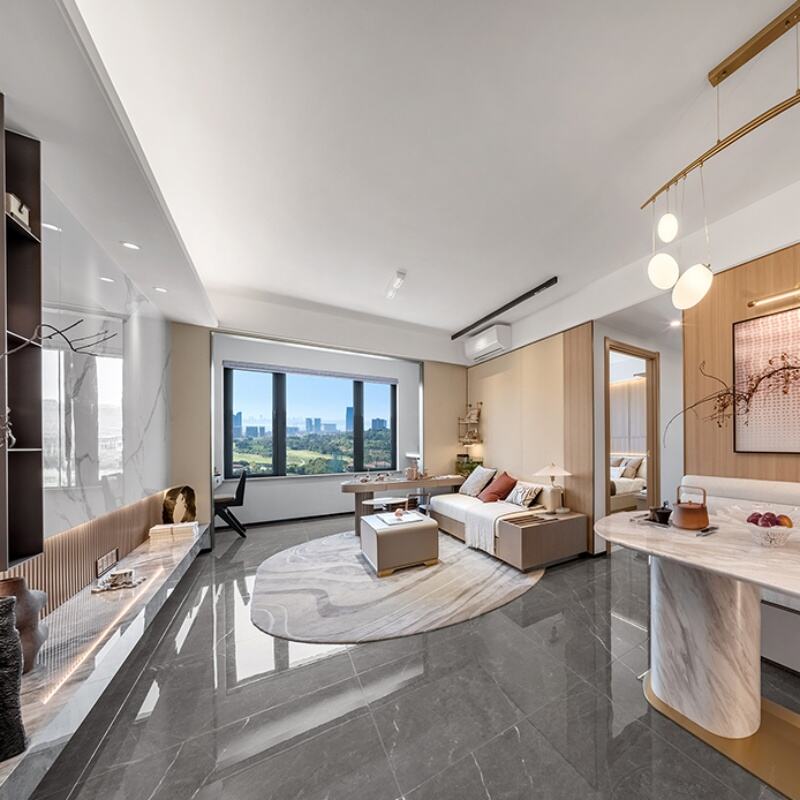
The contemporary workplace continues to evolve at an unprecedented pace, with 2026 marking a significant shift toward smart office environments that prioritize both functionality and aesthetic appeal. Among the most notable trends reshaping commercial interiors, wall panel installations have emerged as a cornerstone of modern office design. These sophisticated architectural elements are transforming traditional workspaces into dynamic, technology-integrated environments that enhance productivity while creating visually striking professional atmospheres. The growing adoption of wall panel systems reflects a broader movement toward sustainable, customizable, and intelligent building solutions that meet the diverse needs of today's workforce.
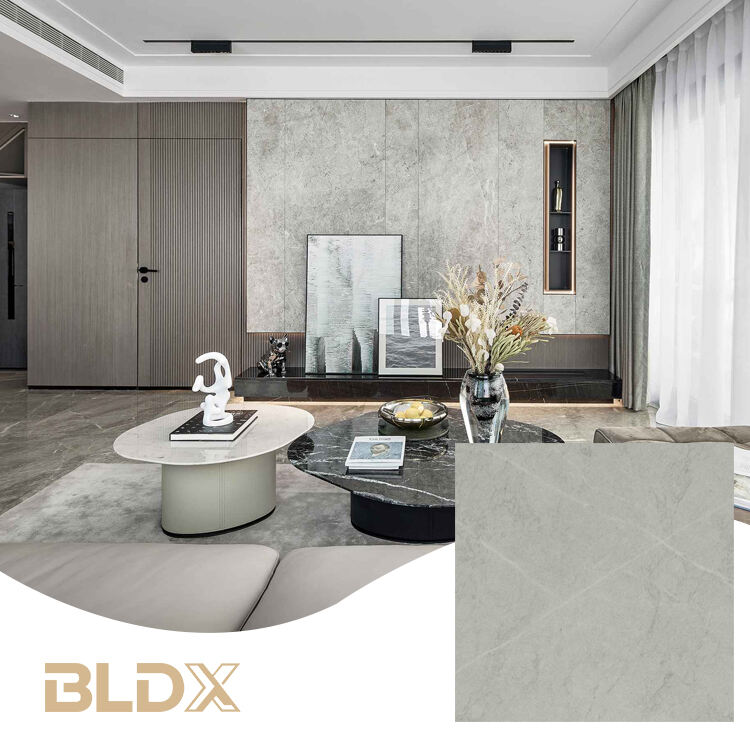
The Rise of Smart Office Environments
Technology Integration in Modern Workspaces
Smart offices represent a paradigm shift in how businesses approach workspace design and functionality. These environments seamlessly integrate advanced technology with innovative architectural elements to create spaces that respond to user needs in real-time. Wall panel systems play a crucial role in this transformation by providing the structural foundation for embedded sensors, display screens, and interactive surfaces that define the smart office experience. Companies are increasingly recognizing that traditional office layouts no longer support the collaborative, flexible work styles that drive modern business success.
The integration of Internet of Things devices within wall panel structures enables automated lighting control, temperature regulation, and acoustic management throughout commercial spaces. These systems collect data on occupancy patterns, environmental conditions, and user preferences to optimize workspace performance continuously. Forward-thinking organizations are investing in wall panel solutions that accommodate future technological upgrades while maintaining aesthetic coherence across their facilities.
Employee Well-being and Productivity Enhancement
Modern wall panel designs contribute significantly to employee well-being by improving indoor air quality, natural light distribution, and acoustic comfort. Advanced panel materials incorporate air purification technologies, sound absorption properties, and biophilic design elements that create healthier work environments. Research consistently demonstrates that employees working in well-designed spaces with quality wall panel installations report higher job satisfaction, reduced stress levels, and increased creative output compared to those in traditional office settings.
The psychological impact of thoughtfully designed wall panel systems extends beyond basic comfort considerations. These installations can incorporate circadian lighting patterns, nature-inspired textures, and dynamic color schemes that support employee circadian rhythms and mental well-being throughout the workday. Companies implementing comprehensive wall panel solutions often experience measurable improvements in employee retention rates and overall workplace satisfaction scores.
Design Innovation and Material Advancements
Sustainable Materials and Manufacturing Processes
The wall panel industry has witnessed remarkable innovations in sustainable material development and eco-friendly manufacturing processes. Modern panel systems utilize recycled composite materials, rapidly renewable resources, and low-emission manufacturing techniques that align with corporate sustainability goals. These advancements allow organizations to achieve Leadership in Energy and Environmental Design certification while creating visually stunning interior environments that reflect their commitment to environmental stewardship.
Cutting-edge wall panel materials now incorporate bio-based polymers, reclaimed wood fibers, and innovative mineral composites that offer superior durability and aesthetic versatility. Manufacturers are developing closed-loop production systems that minimize waste generation and energy consumption throughout the manufacturing process. These sustainable practices not only reduce environmental impact but also provide long-term cost savings through improved material efficiency and reduced maintenance requirements.
Customization and Modular Design Flexibility
Contemporary wall panel systems offer unprecedented customization options that enable architects and designers to create unique, brand-specific environments. Advanced digital printing technologies, precision cutting methods, and modular assembly systems allow for complex geometric patterns, corporate branding integration, and seamless adaptation to existing architectural features. This flexibility empowers organizations to express their corporate identity through innovative wall panel installations that differentiate their workspace from competitors.
Modular wall panel designs facilitate rapid reconfiguration of office layouts to accommodate changing business needs, team structures, and work patterns. These systems support agile workspace concepts by enabling quick installation, removal, and repositioning without significant construction disruption. The ability to modify wall panel configurations supports cost-effective office expansions, departmental reorganizations, and temporary project spaces that adapt to evolving business requirements.
Technological Integration and Smart Features
Interactive Display Capabilities
Modern wall panel systems increasingly incorporate interactive display technologies that transform static surfaces into dynamic communication and collaboration tools. These installations support touch-screen interfaces, projection mapping, and augmented reality applications that enhance meeting effectiveness and creative collaboration. Wall panel designs now accommodate high-resolution display screens, interactive whiteboards, and video conferencing equipment that seamlessly integrate with existing technology infrastructure.
The integration of display technologies within wall panel structures requires careful consideration of power management, cable routing, and heat dissipation to ensure reliable long-term performance. Advanced panel designs incorporate dedicated channels for technology infrastructure while maintaining clean, professional appearances that support corporate aesthetics. These systems enable real-time data visualization, remote collaboration, and immersive presentation experiences that enhance business communication effectiveness.
Environmental Monitoring and Control Systems
Smart wall panel installations now include embedded environmental sensors that continuously monitor air quality, humidity levels, temperature variations, and acoustic conditions throughout commercial spaces. These systems provide real-time feedback to building management platforms that automatically adjust HVAC operations, lighting levels, and ventilation rates to optimize occupant comfort and energy efficiency. The data collected through wall panel sensor networks enables predictive maintenance scheduling and proactive facility management that reduces operational costs.
Advanced wall panel systems integrate with building automation platforms to create responsive environments that adapt to occupancy patterns, weather conditions, and scheduled activities. These installations can automatically adjust lighting color temperature throughout the day to support circadian rhythms, modify acoustic properties for different meeting types, and optimize air circulation based on real-time occupancy data. Such intelligent features position wall panel systems as essential components of next-generation smart building infrastructure.
Market Trends and Industry Adoption
Corporate Investment in Workspace Modernization
Corporate investment in workspace modernization continues to accelerate as organizations recognize the competitive advantages of well-designed office environments. Companies across diverse industries are allocating substantial budgets to wall panel installations that support hybrid work models, enhance employee satisfaction, and project professional brand images to clients and partners. This investment trend reflects growing awareness that workspace design directly impacts talent acquisition, retention, and organizational culture development.
Leading corporations are implementing comprehensive wall panel solutions as part of broader digital transformation initiatives that integrate physical and virtual work environments. These investments often yield measurable returns through improved employee productivity, reduced facility operating costs, and enhanced corporate reputation in competitive talent markets. Wall panel installations serve as visible demonstrations of organizational commitment to innovation and employee well-being that support recruitment and retention efforts.
Emerging Market Segments and Applications
The wall panel market continues to expand beyond traditional corporate office applications into healthcare facilities, educational institutions, hospitality venues, and retail environments. Each sector presents unique requirements for acoustic performance, hygiene standards, and aesthetic preferences that drive specialized product development. Healthcare applications emphasize antimicrobial surface treatments and easy cleaning protocols, while educational settings prioritize durability and interactive learning capabilities.
Emerging applications in co-working spaces, flexible office concepts, and temporary installations are creating new demand for rapidly deployable wall panel systems. These markets require solutions that combine professional aesthetics with quick installation capabilities and minimal permanent structural modifications. The growing popularity of hybrid work arrangements is driving demand for wall panel solutions that create private workspace areas within open office environments while maintaining design flexibility and acoustic comfort.
Installation Considerations and Best Practices
Planning and Design Integration
Successful wall panel installations require comprehensive planning that considers existing building systems, structural limitations, and future expansion requirements. Design teams must evaluate electrical capacity, HVAC integration points, and technology infrastructure requirements during the preliminary planning phases to ensure seamless installation and optimal system performance. Proper coordination between architects, engineers, and wall panel specialists prevents costly modifications and ensures project timeline adherence.
Effective wall panel design integration requires careful analysis of natural light patterns, traffic flow, and space utilization to maximize both aesthetic impact and functional benefits. Professional design teams conduct detailed site assessments to identify optimal panel placement, size specifications, and material selections that complement existing architectural features while achieving project objectives. This thorough planning approach minimizes installation complications and ensures long-term satisfaction with wall panel investments.
Maintenance and Lifecycle Management
Modern wall panel systems are designed for minimal maintenance requirements while providing decades of reliable performance in commercial environments. Regular cleaning protocols, periodic inspections, and proactive component replacement schedules ensure optimal appearance and functionality throughout the system lifecycle. Proper maintenance planning includes training facility management personnel on appropriate cleaning methods, identifying potential issues, and coordinating professional service when required.
Lifecycle management strategies for wall panel installations should include provisions for technology upgrades, component replacements, and system expansions that may be required as business needs evolve. Forward-thinking organizations establish relationships with qualified service providers and maintain detailed documentation of system specifications, warranty coverage, and maintenance histories that support efficient facility management. These practices ensure maximum return on wall panel investments while maintaining professional appearances throughout the system lifecycle.
FAQ
How do modern wall panel systems integrate with existing office technology infrastructure
Modern wall panel systems are specifically designed to accommodate existing technology infrastructure through integrated cable management systems, power distribution channels, and mounting provisions for various devices. These installations typically include pre-planned pathways for network cables, power supplies, and control systems that connect seamlessly with building automation platforms and IT networks. Professional installation teams coordinate with facility management to ensure compatibility with existing systems while providing expansion capabilities for future technology upgrades.
What are the typical cost considerations for implementing wall panel solutions in commercial spaces
Wall panel implementation costs vary significantly based on material selection, customization requirements, technology integration, and installation complexity. Basic installations typically range from moderate to premium pricing depending on panel materials and finishing options, while advanced systems with integrated technology features require higher initial investments. However, organizations often realize substantial long-term value through reduced maintenance costs, improved energy efficiency, and enhanced employee productivity that offset initial expenditures over time.
How do wall panel installations contribute to LEED certification and sustainability goals
Wall panel installations contribute to LEED certification through multiple criteria including sustainable material content, indoor environmental quality improvements, and energy efficiency enhancements. Many modern panel systems utilize recycled materials, low-emission manufacturing processes, and renewable resource content that earn points toward certification requirements. Additionally, integrated smart features such as automated lighting control, air quality monitoring, and energy management systems support overall building sustainability performance and operational efficiency goals.
What maintenance requirements should organizations expect with modern wall panel systems
Modern wall panel systems require minimal ongoing maintenance compared to traditional wall finishes, typically involving regular cleaning with appropriate methods and periodic inspection of mechanical components. Most installations include warranties covering material defects and installation quality, while routine maintenance involves dusting, cleaning with manufacturer-approved products, and checking integrated technology components for proper operation. Organizations should establish maintenance schedules with qualified service providers to ensure optimal performance and appearance throughout the system lifecycle.
Table of Contents
- The Rise of Smart Office Environments
- Design Innovation and Material Advancements
- Technological Integration and Smart Features
- Market Trends and Industry Adoption
- Installation Considerations and Best Practices
-
FAQ
- How do modern wall panel systems integrate with existing office technology infrastructure
- What are the typical cost considerations for implementing wall panel solutions in commercial spaces
- How do wall panel installations contribute to LEED certification and sustainability goals
- What maintenance requirements should organizations expect with modern wall panel systems