
 EN
EN

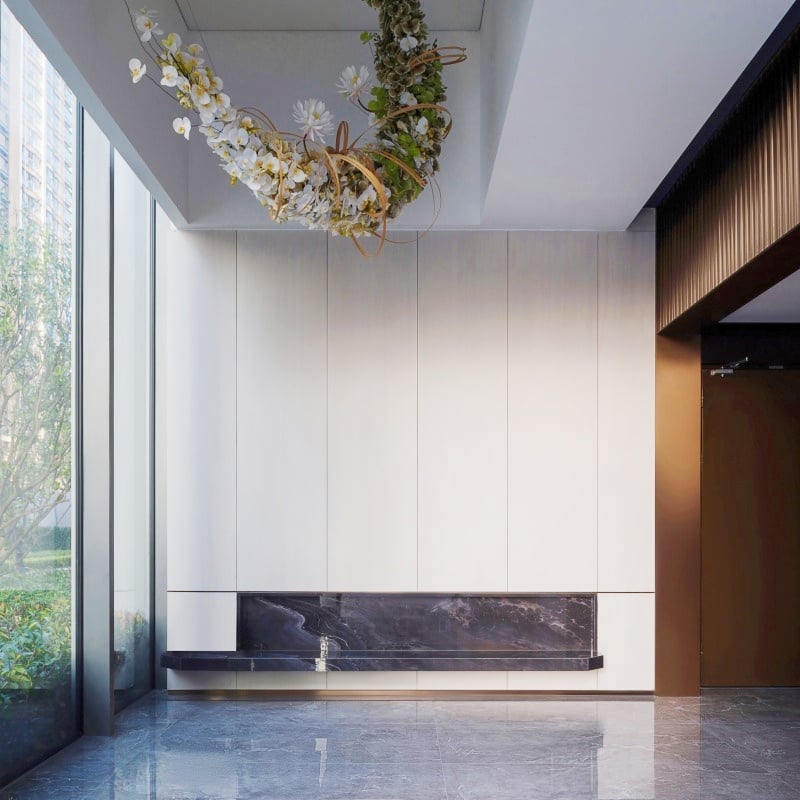
Interior designers today face increasing demands for versatile, durable, and cost-effective materials that can transform spaces efficiently. Among the most revolutionary developments in modern interior design are lightweight PVC wall panel systems, which have gained tremendous popularity for their exceptional combination of aesthetic appeal and practical benefits. These innovative panels offer designers unprecedented flexibility while addressing common challenges such as installation complexity, weight limitations, and maintenance requirements. The shift toward lightweight PVC wall panel systems represents a fundamental change in how professionals approach interior wall treatments, enabling them to create stunning environments without the traditional constraints of heavy materials.
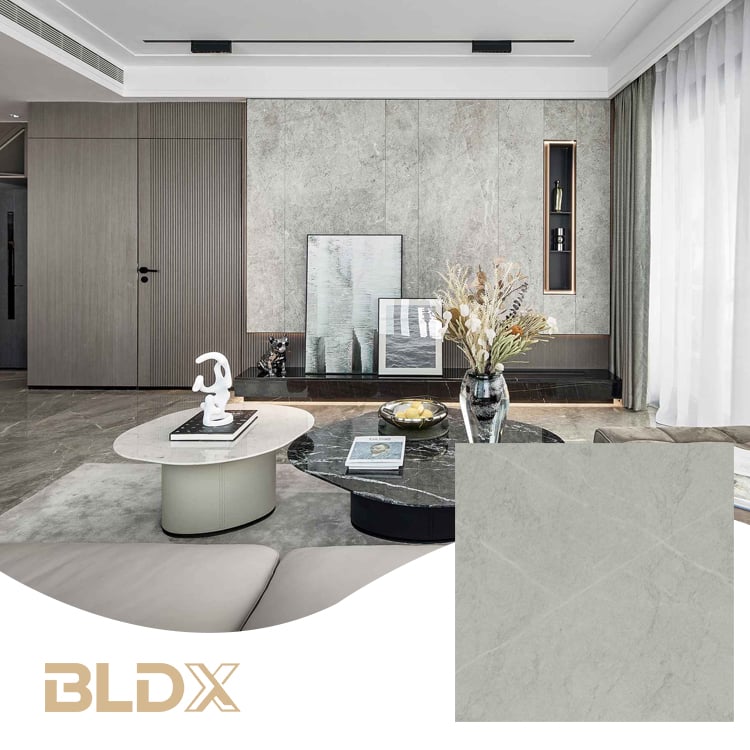
Exceptional Installation Advantages
Reduced Labor Costs and Time Requirements
The installation process for lightweight PVC wall panel systems significantly reduces both labor costs and project timelines compared to traditional wall covering materials. Professional contractors can install these panels with minimal structural modifications, eliminating the need for extensive reinforcement work that heavier materials typically require. The lightweight nature of these systems allows for faster handling and positioning, reducing the overall installation time by up to 60% compared to conventional alternatives.
Installation teams appreciate the user-friendly design of lightweight PVC wall panel systems, which often feature interlocking mechanisms or simple mounting systems. This streamlined approach reduces the skill level required for installation while maintaining professional-quality results. The reduced installation complexity also means fewer potential points of failure during the construction process, leading to more predictable project outcomes and improved client satisfaction.
Structural Compatibility and Flexibility
Modern buildings often have weight restrictions that limit the use of traditional heavy wall materials, making lightweight PVC wall panel systems an ideal solution for various architectural constraints. These panels work exceptionally well in high-rise buildings, temporary structures, and renovations where structural load is a primary concern. The minimal weight impact allows designers to implement comprehensive wall treatments without requiring structural engineering assessments or building modifications.
The flexibility of lightweight PVC wall panel systems extends to their adaptability with different mounting surfaces and existing architectural features. Whether working with concrete, drywall, metal studs, or wood framing, these panels can be successfully integrated into virtually any structural system. This versatility enables interior designers to maintain consistent design themes across projects with varying building specifications and construction methods.
Superior Design Versatility
Extensive Aesthetic Options and Customization
Interior designers particularly value the vast array of aesthetic options available with lightweight PVC wall panel systems, including realistic wood grains, marble textures, fabric finishes, and contemporary geometric patterns. Advanced manufacturing techniques allow these panels to replicate premium materials with remarkable accuracy while maintaining the practical advantages of PVC construction. The color stability and finish quality of modern lightweight PVC wall panel systems rival traditional materials at a fraction of the cost.
Customization capabilities represent another significant advantage, as many manufacturers offer custom printing, embossing, and sizing options for lightweight PVC wall panel systems. This flexibility allows designers to create unique brand environments, incorporate specific color schemes, or achieve particular aesthetic goals that would be impossible or prohibitively expensive with traditional materials. The ability to match existing design elements or create entirely new visual themes makes these panels invaluable for both commercial and residential applications.
Seamless Integration with Modern Design Concepts
Contemporary interior design emphasizes clean lines, minimal maintenance, and sustainable materials, all characteristics that align perfectly with lightweight PVC wall panel systems. These panels support current design trends toward biophilic design through realistic natural textures while offering the durability and cleanliness required in modern environments. The smooth surfaces and consistent finish quality of lightweight PVC wall panel systems create the sophisticated appearance that today's clients expect.
The modular nature of these systems allows designers to create dynamic visual effects through pattern variation, color transitions, and creative installation techniques. Lightweight PVC wall panel systems can be combined with other materials, integrated with lighting systems, or used to create accent walls that serve as focal points within larger design schemes. This versatility ensures that the panels remain relevant and attractive as design trends evolve over time.
Outstanding Performance Characteristics
Moisture Resistance and Environmental Durability
One of the most compelling reasons interior designers choose lightweight PVC wall panel systems is their exceptional resistance to moisture, humidity, and temperature fluctuations. Unlike wood-based materials or traditional wallpapers, these panels maintain their structural integrity and appearance in challenging environments such as kitchens, bathrooms, healthcare facilities, and commercial spaces with high humidity levels. The non-porous surface prevents mold growth and bacterial accumulation, making them ideal for environments with strict hygiene requirements.
The environmental stability of lightweight PVC wall panel systems extends to their resistance to UV radiation, temperature cycling, and chemical exposure. These characteristics ensure long-term color stability and dimensional consistency, reducing the need for frequent replacements or touch-up work. Interior designers can confidently specify these materials for long-term installations, knowing that the appearance and performance will remain consistent throughout the expected service life.
Maintenance Efficiency and Longevity
Maintenance requirements represent a critical consideration in material selection, and lightweight PVC wall panel systems excel in this area through their easy-cleaning surfaces and resistance to common damage types. The smooth, non-porous surface can be cleaned with standard household or commercial cleaning products without risk of damage or degradation. This characteristic is particularly valuable in commercial environments where cleaning protocols must be efficient and thorough.
The impact resistance and scratch resistance of quality lightweight PVC wall panel systems contribute to their longevity and maintained appearance over time. These panels can withstand normal wear and tear without showing significant signs of damage, reducing the need for repair or replacement work. The combination of durability and easy maintenance makes these systems particularly attractive for high-traffic areas and commercial applications where appearance and functionality must be maintained consistently.
Economic and Environmental Benefits
Cost-Effectiveness and Budget Management
From a project economics perspective, lightweight PVC wall panel systems offer compelling advantages in both initial cost and long-term value. The material cost is typically lower than premium alternatives while offering comparable aesthetic results, allowing designers to allocate budget resources to other project elements. The reduced installation costs due to faster installation times and lower labor requirements further enhance the economic appeal of these systems.
The predictable performance and low maintenance requirements of lightweight PVC wall panel systems contribute to favorable life-cycle cost analysis results. Property owners and facility managers appreciate the reduced ongoing maintenance expenses and the extended service life that quality panels provide. This economic stability allows designers to present compelling value propositions to clients while maintaining design quality and aesthetic goals.
Sustainability and Environmental Responsibility
Modern lightweight PVC wall panel systems increasingly incorporate recycled content and are designed for end-of-life recyclability, supporting sustainable design initiatives and green building certification programs. The manufacturing process for these panels has become more environmentally efficient, with reduced energy consumption and waste generation compared to traditional building materials. Many manufacturers now offer take-back programs and recycling options that support circular economy principles.
The longevity and durability of lightweight PVC wall panel systems contribute to their environmental benefits by reducing replacement frequency and associated material consumption. The energy efficiency characteristics of these panels, including their insulation properties and contribution to building envelope performance, can support overall building energy efficiency goals. Interior designers can confidently specify these materials as part of environmentally responsible design strategies.
Applications and Industry Adoption
Commercial and Hospitality Environments
The hospitality industry has embraced lightweight PVC wall panel systems for their ability to create luxurious appearances while withstanding the demands of high-occupancy environments. Hotels, restaurants, and entertainment venues benefit from the quick installation capabilities that minimize disruption to operations during renovation projects. The consistent quality and appearance of these panels help maintain brand standards across multiple locations while reducing maintenance costs and operational complexity.
Healthcare facilities represent another significant application area where lightweight PVC wall panel systems provide essential benefits including easy sanitization, impact resistance, and chemical compatibility with cleaning protocols. The ability to create warm, welcoming environments while meeting strict hygiene and safety requirements makes these panels particularly valuable in medical and care facilities. Interior designers working in healthcare appreciate the balance of aesthetic appeal and functional performance that these systems provide.
Residential and Renovation Markets
Residential applications of lightweight PVC wall panel systems have grown dramatically as homeowners seek durable, attractive alternatives to traditional wallpaper and paint. The DIY-friendly installation characteristics make these panels accessible to homeowners while providing professional-quality results. Interior designers working in residential markets appreciate the client education opportunities that these systems provide, as the benefits are easily understood and appreciated by homeowners.
Renovation projects particularly benefit from lightweight PVC wall panel systems due to their ability to be installed over existing surfaces without extensive preparation work. This characteristic reduces renovation time, dust, and disruption while achieving dramatic aesthetic improvements. The weight advantages become especially important in older buildings where structural modifications would be costly or impractical, allowing designers to achieve modern appearances without major construction work.
FAQ
How do lightweight PVC wall panel systems compare to traditional wallpaper in terms of durability?
Lightweight PVC wall panel systems significantly outperform traditional wallpaper in durability tests, offering superior resistance to moisture, impact, scratching, and fading. While wallpaper typically requires replacement every 5-10 years, quality PVC panels can maintain their appearance and functionality for 15-20 years or more. The dimensional stability of PVC panels eliminates common wallpaper problems such as peeling, bubbling, and seam separation, making them a more reliable long-term solution for both residential and commercial applications.
What installation requirements are necessary for lightweight PVC wall panel systems?
Installation of lightweight PVC wall panel systems requires minimal specialized tools or skills compared to traditional wall covering materials. Most systems can be installed using standard construction tools such as drills, levels, and measuring devices. The wall surface should be clean, dry, and reasonably flat, though many panels can accommodate minor surface irregularities. Professional installation is recommended for large commercial projects, but many residential applications can be successfully completed by experienced DIY installers following manufacturer guidelines.
Are lightweight PVC wall panel systems suitable for high-moisture environments like bathrooms?
Yes, lightweight PVC wall panel systems are excellent choices for high-moisture environments including bathrooms, kitchens, and commercial facilities. The non-porous surface prevents water absorption and eliminates the mold and mildew problems common with traditional materials. Many panels are specifically engineered for wet environments and can be installed in shower areas and other direct-water-contact applications. Proper installation with appropriate sealing ensures long-term performance even in challenging moisture conditions.
Can lightweight PVC wall panel systems be painted or modified after installation?
Most lightweight PVC wall panel systems are designed to provide finished surfaces that do not require painting, though some can be painted using appropriate primers and paints formulated for PVC surfaces. The pre-finished nature of these panels is actually one of their primary advantages, eliminating the need for additional finishing work. For design changes, panels can typically be removed and replaced individually without damaging adjacent panels or the underlying wall surface, providing flexibility for future modifications or updates to the interior design scheme.
Table of Contents
- Exceptional Installation Advantages
- Superior Design Versatility
- Outstanding Performance Characteristics
- Economic and Environmental Benefits
- Applications and Industry Adoption
-
FAQ
- How do lightweight PVC wall panel systems compare to traditional wallpaper in terms of durability?
- What installation requirements are necessary for lightweight PVC wall panel systems?
- Are lightweight PVC wall panel systems suitable for high-moisture environments like bathrooms?
- Can lightweight PVC wall panel systems be painted or modified after installation?