
 EN
EN

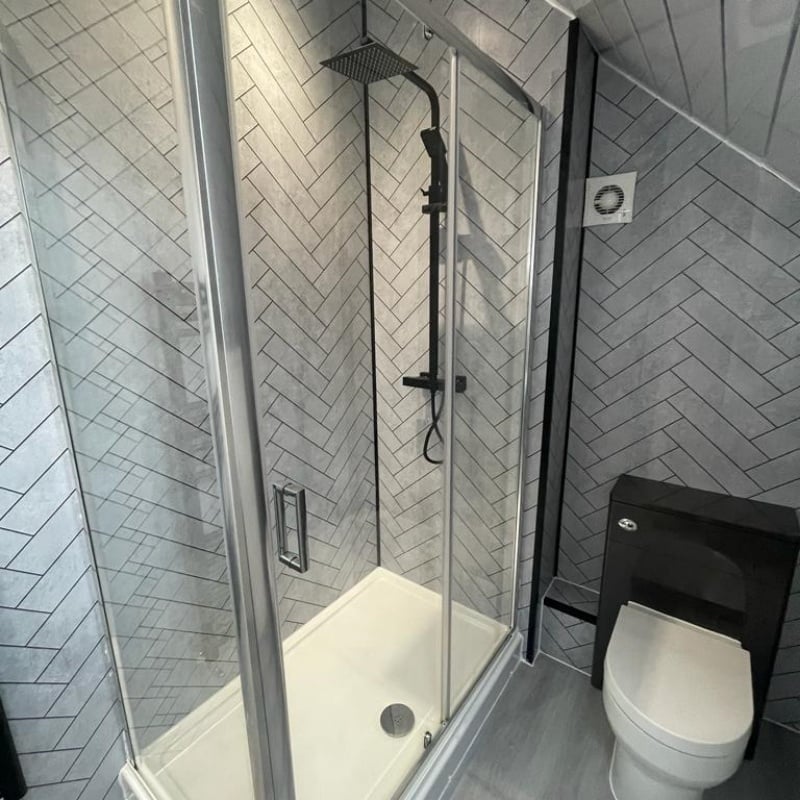
Transform Your Bathroom with Modern Shower Solutions
The world of bathroom renovations has evolved dramatically, with pvc shower wall panels emerging as a game-changing solution for homeowners seeking style and practicality. These versatile panels offer a perfect blend of durability, aesthetics, and ease of installation, making them an increasingly popular choice for both DIY enthusiasts and renovation professionals. Understanding the fundamentals of working with pvc shower wall panels can help you achieve a professional-looking result while saving significantly on installation costs.
Today's market offers an impressive array of pvc shower wall panel options, featuring various textures, colors, and patterns that can mimic expensive materials like marble, granite, or tile. The beauty of these panels lies not only in their attractive appearance but also in their practical benefits – they're waterproof, easy to clean, and remarkably durable. Before diving into the installation process, it's essential to familiarize yourself with the materials and tools you'll need for a successful project.
Essential Preparation Steps
Gathering Your Tools and Materials
Success in installing pvc shower wall panels begins with having the right tools at your disposal. You'll need a tape measure, level, pencil, utility knife, saw (preferably a fine-toothed saw or power saw with fine blade), adhesive suitable for PVC, caulking gun, cleaning materials, and safety equipment including goggles and gloves. Additionally, ensure you have enough panels to cover your shower area plus extra for any potential mistakes.
The quality of your installation adhesive is particularly crucial. Choose a product specifically designed for pvc shower wall panels and bathroom environments, as standard construction adhesives may not provide adequate moisture resistance. Having spare adhesive on hand is always a wise precaution.
Surface Preparation and Assessment
Proper surface preparation is fundamental to achieving a professional finish. Begin by thoroughly cleaning the existing walls, removing any soap scum, mold, or debris. The surface must be completely dry before installation. Check for any damage to the underlying wall structure and repair as necessary – addressing these issues now will prevent problems later.
Take accurate measurements of your shower area, accounting for corners, fixtures, and any irregularities. It's helpful to create a detailed sketch of your shower space, noting all dimensions and marking the locations of pipes, fixtures, and electrical outlets that will need to be accommodated in your panel installation.
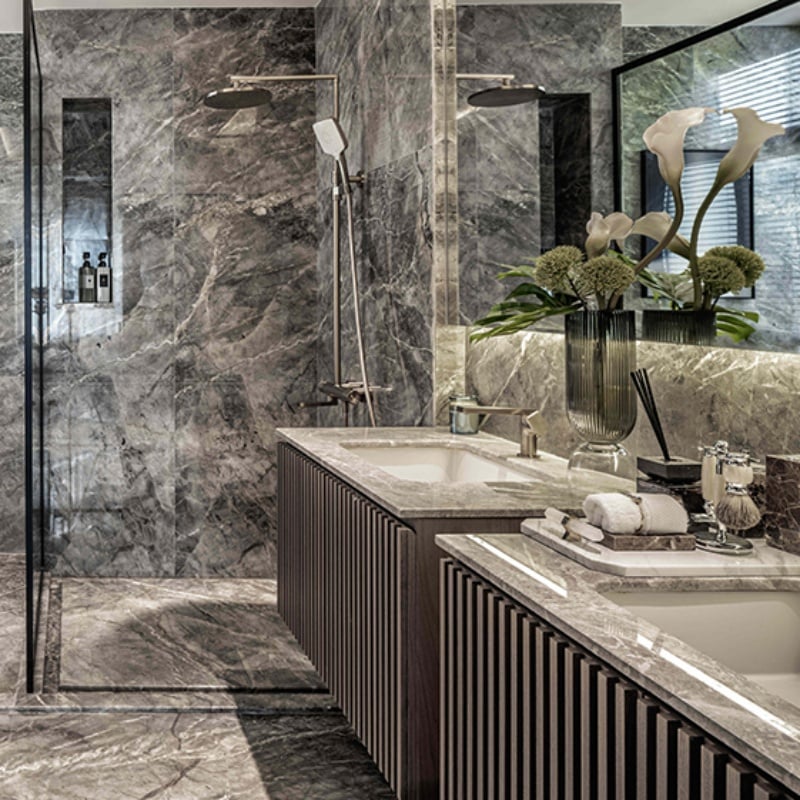
Installation Process Mastery
Panel Cutting and Fitting
Begin the installation process by cutting your pvc shower wall panels to size. Always measure twice and cut once, using your detailed measurements as a guide. When cutting, place the panel on a flat surface and use a straight edge as a guide for your cuts. For outlet or pipe holes, measure carefully and use a hole saw or drill with the appropriate size bit.
Test fit each panel before applying adhesive. This dry run helps identify any necessary adjustments and ensures proper alignment. Pay special attention to corners and edges, as these areas will be most visible in the finished installation. Remember to leave appropriate expansion gaps around the edges as specified by the manufacturer.
Adhesive Application Techniques
Apply adhesive to the back of your pvc shower wall panel in a consistent pattern, typically in a wave or S-pattern, ensuring adequate coverage particularly around the edges. Don't apply too much adhesive, as excess can create bumps or uneven surfaces. Work systematically from one side to the other, maintaining even pressure as you position each panel.
Once the panel is in place, use a clean roller or flat surface to press out any air bubbles and ensure proper adhesion. Work from the center outward to achieve the best results. Remember that most adhesives have a working time, so plan your application accordingly to avoid the adhesive setting before you've properly positioned the panel.
Finishing Touches and Details
Sealing and Waterproofing
Proper sealing is crucial for preventing water infiltration behind your pvc shower wall panels. Apply a high-quality silicone sealant to all joints, corners, and edges. Pay particular attention to areas around fixtures and any penetrations through the panels. Use a sealant specifically designed for bathroom use that offers mold and mildew resistance.
Work methodically when applying sealant, ensuring continuous beads without gaps or bubbles. Tool the sealant immediately after application for a neat, professional appearance. Remember to allow adequate curing time before using the shower.
Maintenance and Care Guidelines
To maintain the beauty and longevity of your pvc shower wall panels, establish a regular cleaning routine using appropriate products. Avoid abrasive cleaners or scrubbers that could scratch the surface. Instead, opt for mild bathroom cleaners and soft cloths or sponges.
Regularly inspect seals and joints for any signs of wear or separation, addressing any issues promptly to prevent water damage. With proper care, your panels should maintain their attractive appearance for many years to come.
Frequently Asked Questions
How long does it take to install pvc shower wall panels?
A typical DIY installation of pvc shower wall panels can be completed in one to two days, depending on the complexity of your shower space and your experience level. This timeline includes surface preparation, panel installation, and allowing adequate time for adhesives and sealants to cure properly.
Can pvc shower wall panels be installed over existing tile?
Yes, pvc shower wall panels can be installed over existing tile as long as the surface is solid, clean, and free from loose tiles or significant damage. However, it's essential to ensure the existing surface is completely flat and properly prepared to achieve the best results.
What makes pvc shower wall panels better than traditional tiles?
PVC shower wall panels offer several advantages over traditional tiles, including easier installation, no grout lines to clean or maintain, complete waterproofing, and quick installation. They're also typically more cost-effective when considering both material and installation costs, while providing a modern, seamless appearance that many homeowners prefer.